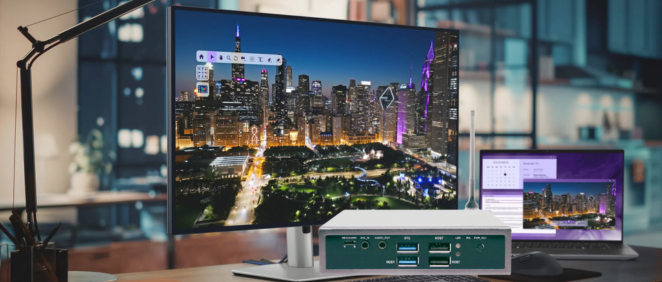
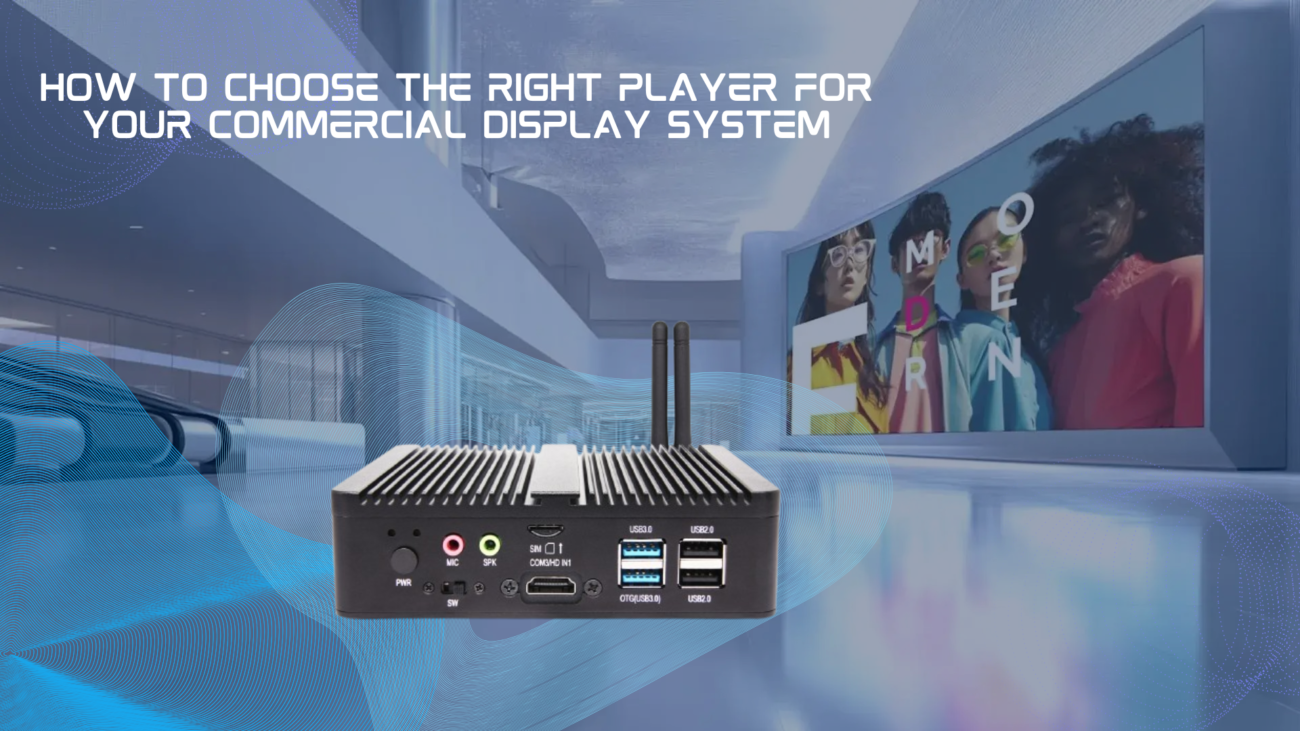
Choosing the right digital signage player is essential for delivering reliable content playback, smooth visual performance, and efficient remote management. Whether you are deploying digital signage in retail stores, shopping malls, corporate showrooms, or large LED display installations, your hardware requirements will depend on your content, display resolution, operating system, and budget.
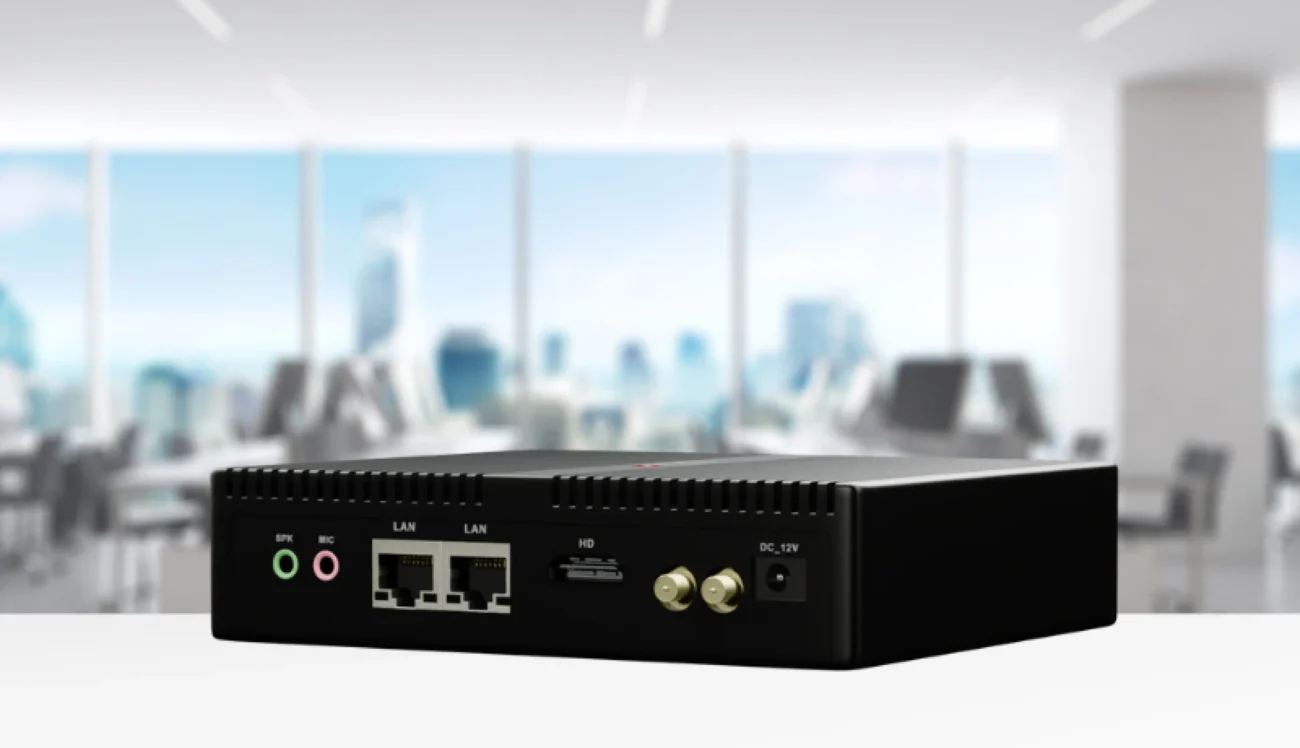
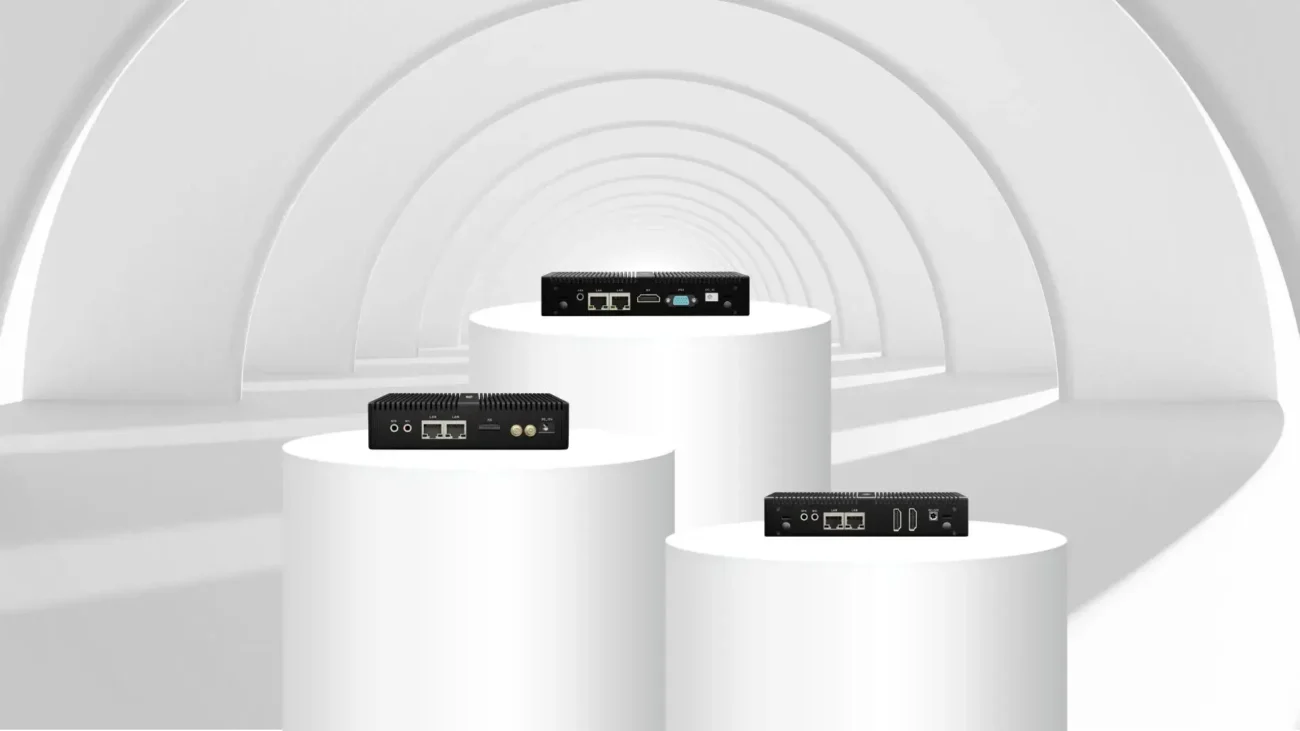
ShiMeta offers four DSBOX digital signage players: DSBOX-133SE, DSBOX-6320SE, DSBOX-3572SE, and DSBOX-3576SE. All four models share a similar exterior design but feature different processors, memory configurations, operating systems, and performance capabilities.
This product comparison guide explains the key differences and helps system integrators, digital signage solution providers, and project buyers select the right media player for their applications.
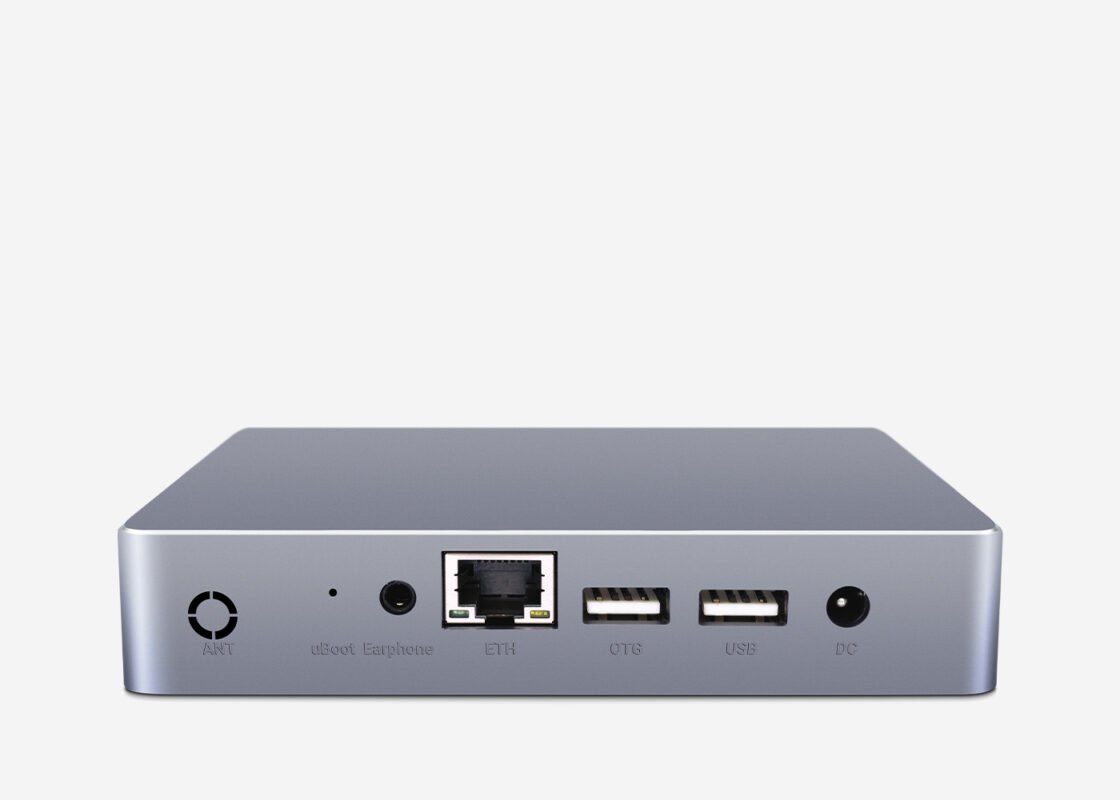
The DSBOX-133SE is a cost-effective media player designed for straightforward digital signage deployments. Its compact form factor makes it easy to install behind displays, helping keep installations neat and unobtrusive.
Key specifications
Why choose the DSBOX-133SE?
For projects focused on basic advertising content, the DSBOX-133SE provides an economical solution without requiring high-end computing hardware. It is suitable for everyday image, text, and 1080p video playback in standard digital signage installations.
Recommended applications
If your project prioritizes cost efficiency and standard media playback, the DSBOX-133SE is a practical starting point.
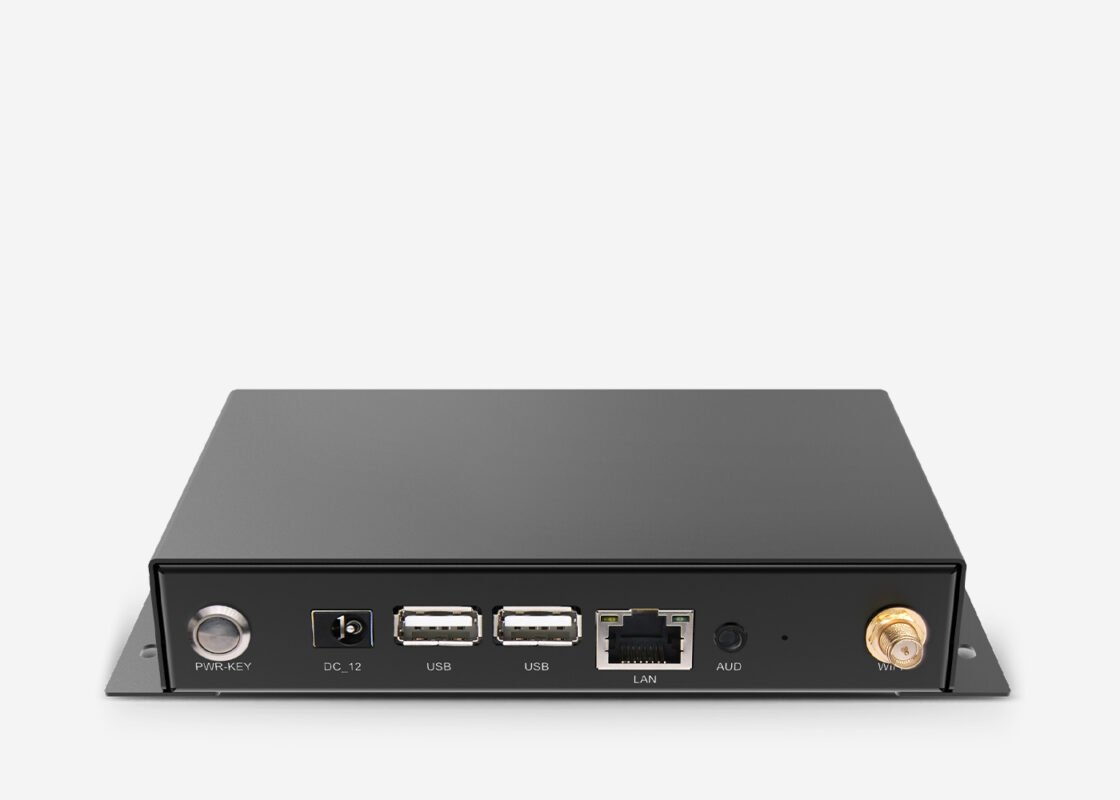
The DSBOX-6320SE is designed for projects that require operating system flexibility, including deployments based on the OpenHarmony ecosystem.
Key specifications
Why choose the DSBOX-6320SE?
Its support for Android and OpenHarmony makes this model worth considering for projects with specific operating system or ecosystem requirements.
The HDMI output supports resolutions up to 4K@60Hz, while the built-in RTC helps maintain timekeeping for scheduled playback, including scenarios where network connectivity or external power is interrupted.
Recommended applications
For buyers who prioritize OpenHarmony compatibility and scheduled content playback, the DSBOX-6320SE offers a different configuration from the entry-level DSBOX-133SE.
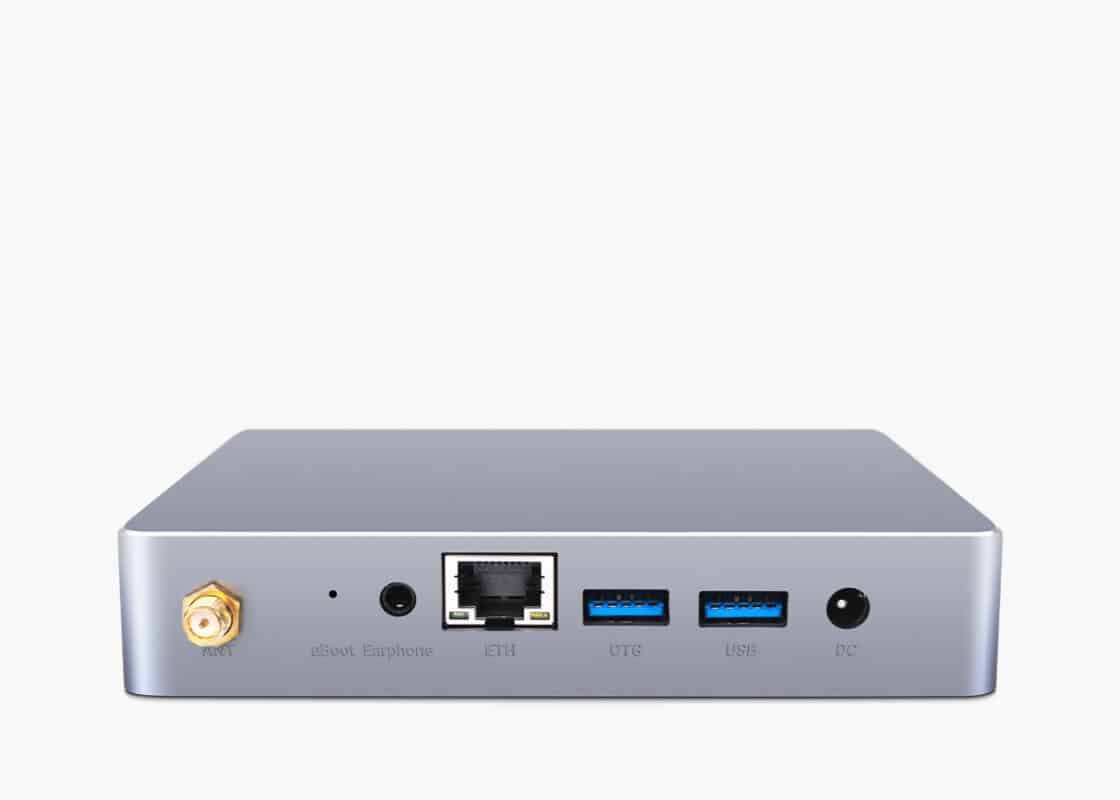
The DSBOX-3572SE is designed for digital signage projects that demand more processing capability, greater memory capacity, and support for interactive content.
Key specifications
Why choose the DSBOX-3572SE?
With an octa-core processor, up to 4 TOPS of AI computing performance, and a 4GB + 32GB memory configuration, the DSBOX-3572SE is suited to more demanding digital signage applications.
Its Gigabit Ethernet connection supports higher-bandwidth network communication than a standard 10/100 Mbps Ethernet interface. Local USB system upgrades can also simplify maintenance when network-based updates are inconvenient.
The combination of Android 16, 4K display output, and expanded memory makes this model a candidate for projects involving interactive interfaces, multi-zone content layouts, and more complex applications, subject to software and workload requirements.
Recommended applications
Choose the DSBOX-3572SE when your project needs a balance of computing performance, memory capacity, and practical on-site maintenance.
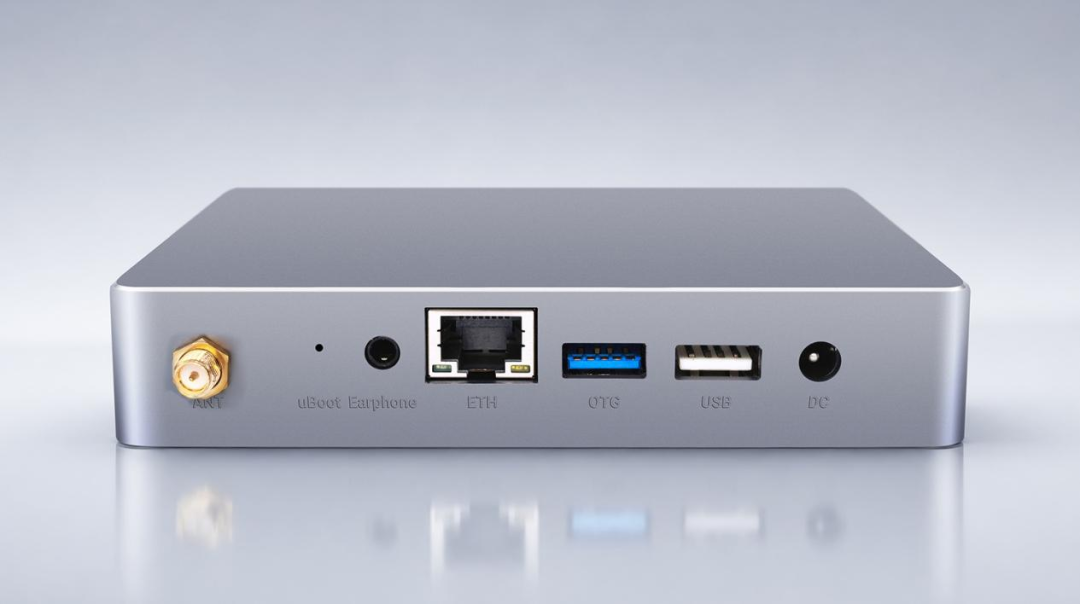
The DSBOX-3576SE is the highest-performance model in this four-product lineup. Built around the RK3576 platform, it is intended for demanding commercial display applications and projects that may incorporate AI-related workloads.
Key specifications
Why choose the DSBOX-3576SE?
The RK3576 platform delivers up to 6 TOPS of AI computing performance, making the DSBOX-3576SE suitable for evaluating more demanding applications that combine digital signage with AI inference or additional on-device processing.
It also supports 4K@60Hz HDMI output and Gigabit Ethernet. Remote-control operation provides another convenient option for on-site use.
For projects involving complex display layouts, large-format LED displays, LCD video walls, or AI-enabled applications, the DSBOX-3576SE offers a higher-performance hardware platform. Actual application performance will depend on the software, content, and processing workload.
Recommended applications
If your project needs more computing headroom for demanding applications, the DSBOX-3576SE is the top-performance option among these four models.
The following table summarizes the main hardware differences to help you shortlist the right digital signage media player.
| Specification | DSBOX-133SE | DSBOX-6320SE | DSBOX-3572SE | DSBOX-3576SE |
|---|---|---|---|---|
| Processor | Allwinner A133 | GK6320V100 | RK3572 | RK3576 |
| CPU architecture | Quad-core | Quad-core | Octa-core | Octa-core |
| AI computing performance | Not specified | Not specified | Up to 4 TOPS | Up to 6 TOPS |
| GPU | PowerVR GE8300 | Mali-450 | Mali-G310 V2 | Mali-G52 |
| Operating system | Android 10 | Android 9.0 / OpenHarmony | Android 16 | Android 14 |
| RAM + storage | 1GB + 16GB | 2GB + 16GB | 4GB + 32GB | 4GB + 32GB |
| HDMI output | 1080p-class playback | Up to 4K@60Hz | Up to 4K@60Hz | Up to 4K@60Hz |
| Ethernet | 10/100 Mbps | 10/100 Mbps | Gigabit | Gigabit |
| Wi-Fi | Yes | Yes | Yes | Yes |
| Bluetooth | Not specified | Yes | Yes | Yes |
| Special feature | Compact, economical design | OpenHarmony support and RTC | Android 16 and USB system upgrades | Up to 6 TOPS and remote control |
| Best suited for | Basic advertising | OpenHarmony-oriented projects | Interactive and more demanding displays | High-performance digital signage |
Specifications are based on the configurations described in this guide. Please confirm the final hardware revision, optional features, and software compatibility with ShiMeta before ordering.
Although their internal configurations differ, all four models are designed for digital signage and commercial media playback applications.
Depending on the software and playback environment, the product family supports common digital signage content and information formats, including:
Legacy Flash content should be validated against the specific playback software and environment before deployment.
The DSBOX product family supports digital signage content publishing and remote management over local or wide area networks. This enables operators to manage deployed screens without having to visit every display for routine content updates, subject to the selected software and network configuration.
For multi-location businesses, centralized management can simplify content distribution across stores, branches, and other commercial locations.
Supported playback functions include screen splitting, portrait and landscape orientation switching, automatic playback at startup, and multi-point touch scenarios where the display hardware and software support them.
These capabilities help integrators adapt digital signage systems to different screen sizes, installation environments, and content layouts.
Four configurations. Different performance levels. One solution for your digital signage project.
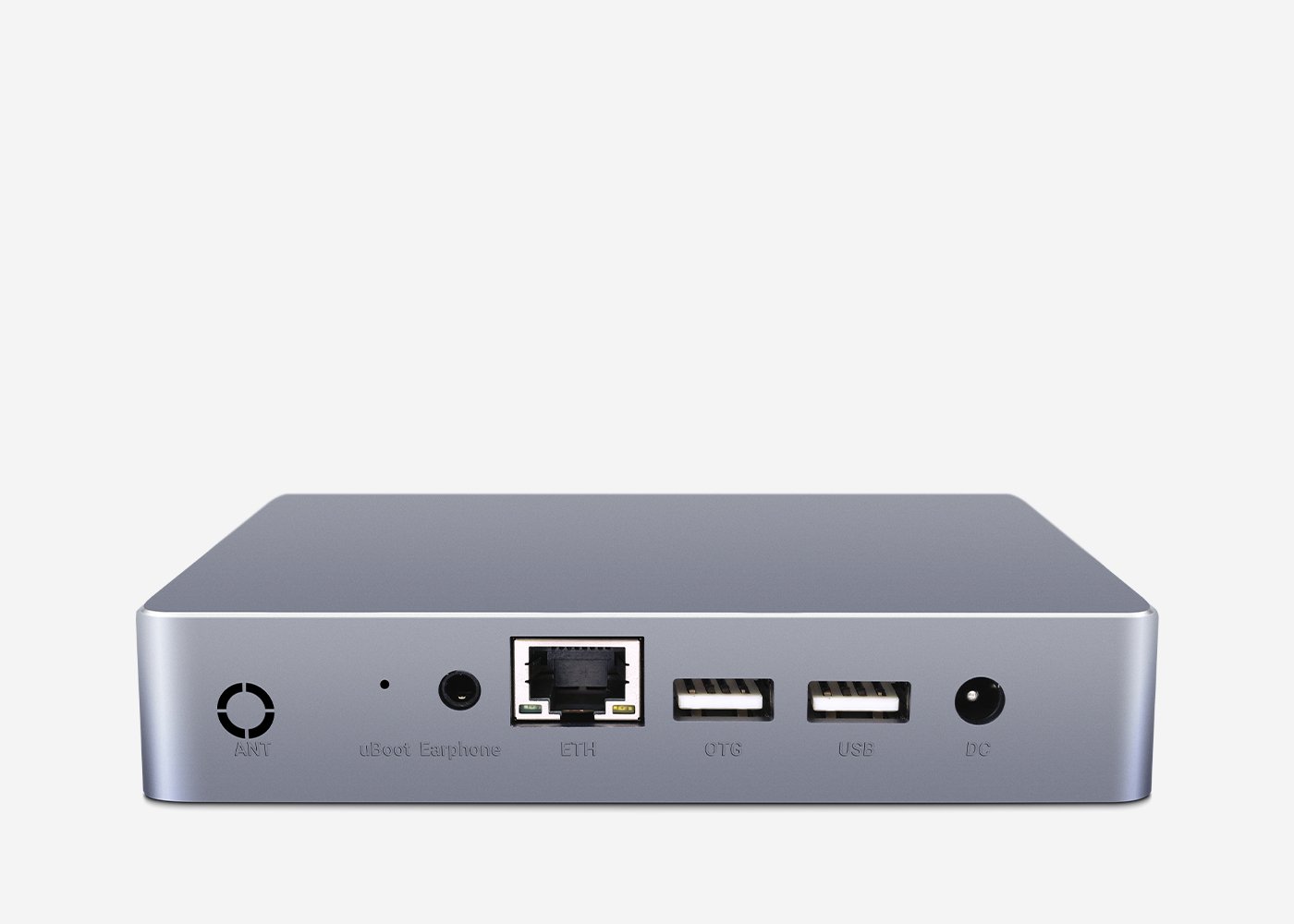
A compact, cost-effective player for everyday retail advertising and standard media playback.
View Product →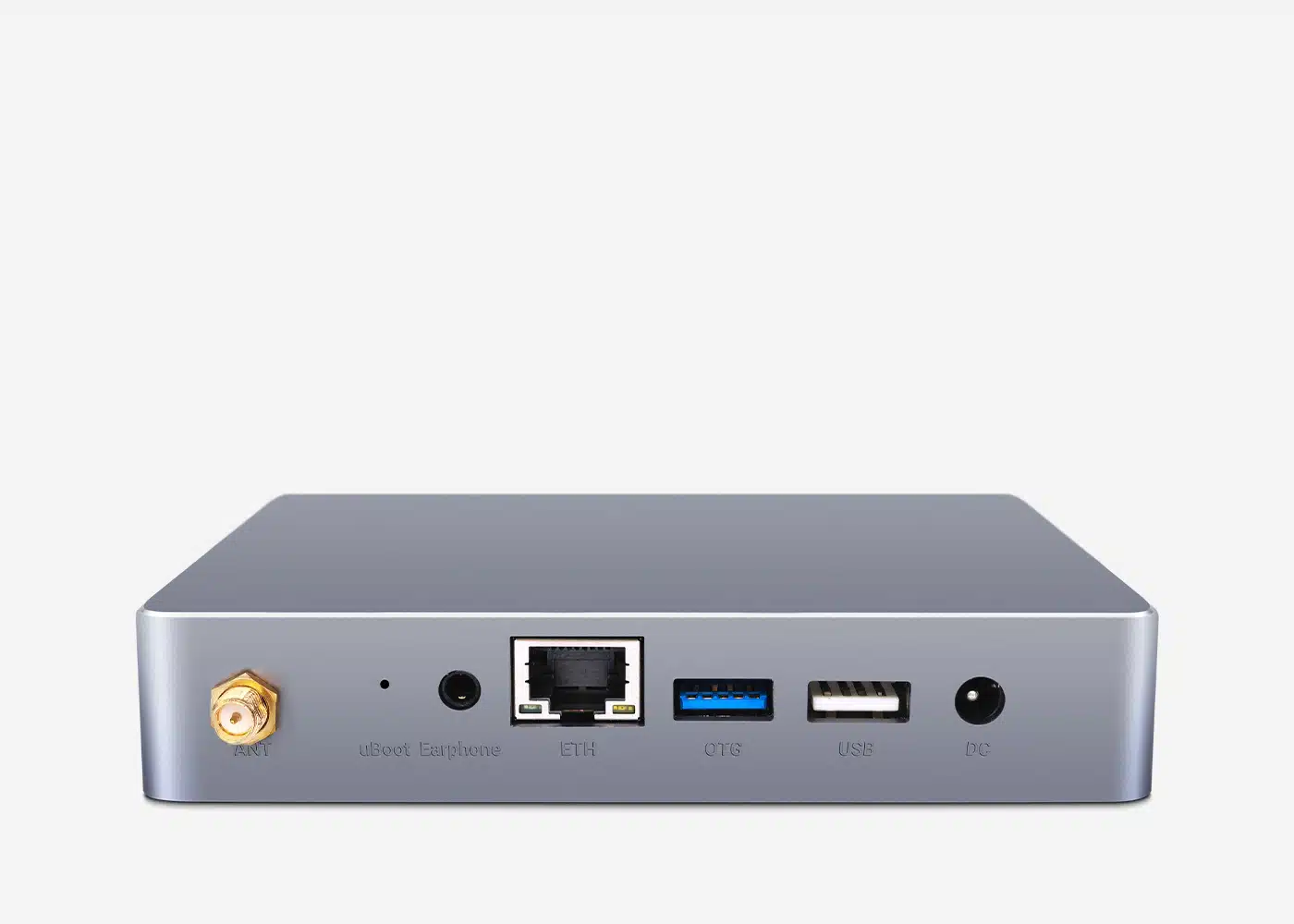
An option for OpenHarmony-oriented projects, 4K output, and scheduled content playback.
View Product →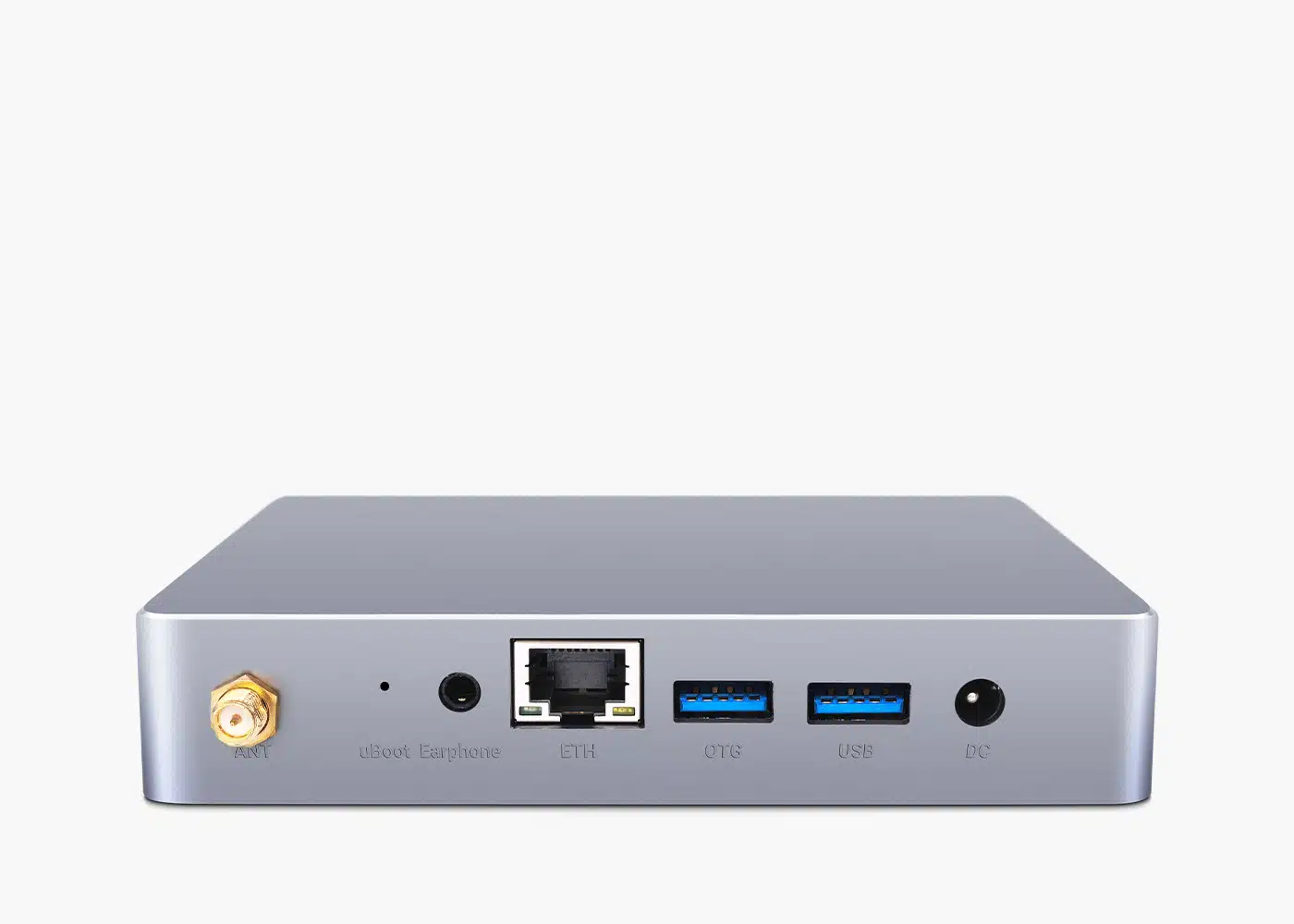
A performance-oriented player for interactive displays and more demanding content applications.
View Product →A higher-performance platform for demanding displays and projects incorporating AI-enabled applications.
View Product →The best choice depends on your project requirements rather than processor performance alone.
Choose the DSBOX-133SE for basic advertising.
It is the entry-level option for standard image, text, and 1080p video playback where cost and compact installation are the main priorities.
Choose the DSBOX-6320SE for OpenHarmony-oriented projects.
Its Android/OpenHarmony options, 4K@60Hz output, and built-in RTC make it worth evaluating for projects with operating system and scheduled-playback requirements.
Choose the DSBOX-3572SE for interactive applications.
Its RK3572 processor, up to 4 TOPS of AI computing performance, 4GB RAM, and 32GB storage provide a stronger platform for projects involving interactive interfaces and more demanding applications.
Choose the DSBOX-3576SE for higher-performance deployments.
With the RK3576 platform and up to 6 TOPS of AI computing performance, it is the high-end choice in this lineup for demanding digital signage and potential AI-enabled applications.
Before making a final selection, consider the required resolution, number of displays, playback software, touch functionality, network bandwidth, operating system, and whether the project needs local AI inference.
ShiMeta provides digital signage hardware for commercial display applications, from cost-effective media players to higher-performance platforms for demanding projects.
Whether you are a digital signage solution provider, system integrator, distributor, or OEM customer, our team can help you evaluate the right DSBOX configuration for your application.
Tell us about your display resolution, operating system, connectivity, and project requirements. Our team can help you evaluate the right DSBOX configuration for your digital signage application.
 Shimeta
 Shimeta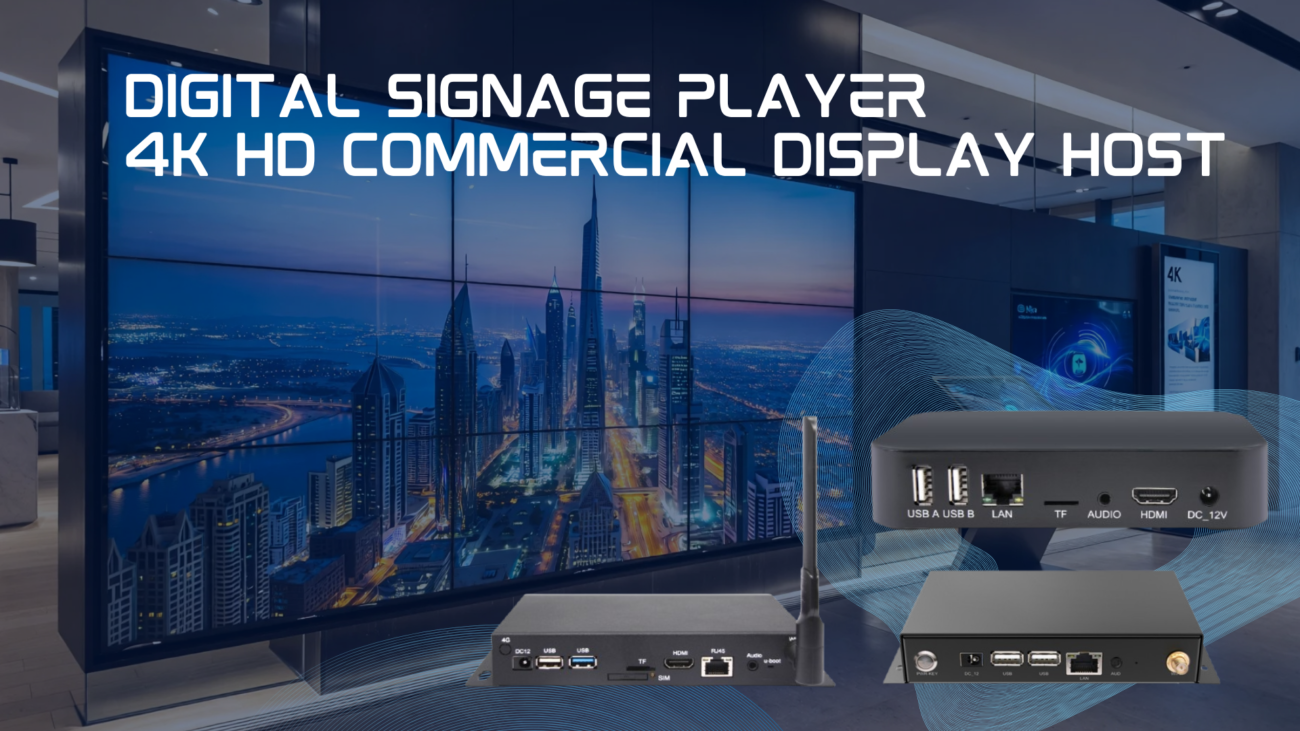
 Shimeta
 Shimeta
 Shimeta
 Shimeta
 Shimeta
 Shimeta