


We are ready to answer right now! Sign up for a free consultation.
I consent to the processing of personal data and agree with the user agreement and privacy policy
Compact Android mainboards designed for smart kiosks, digital signage,and embedded display devices.
Showing all 5 results
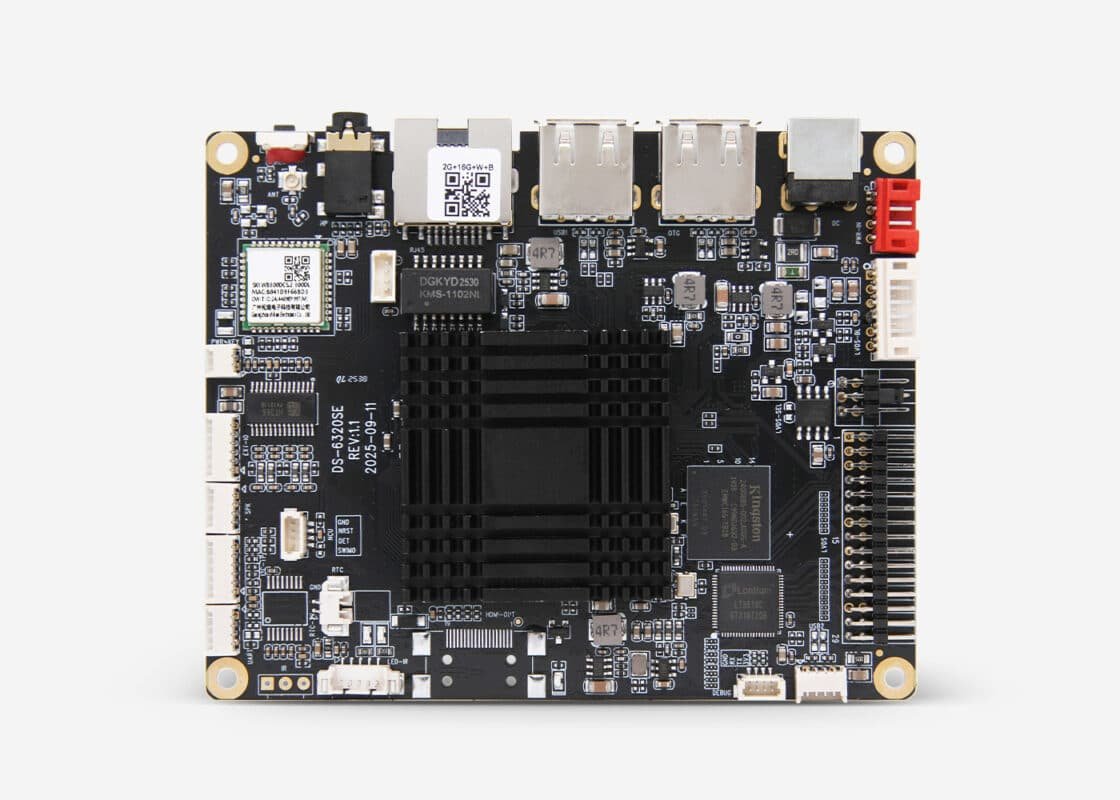
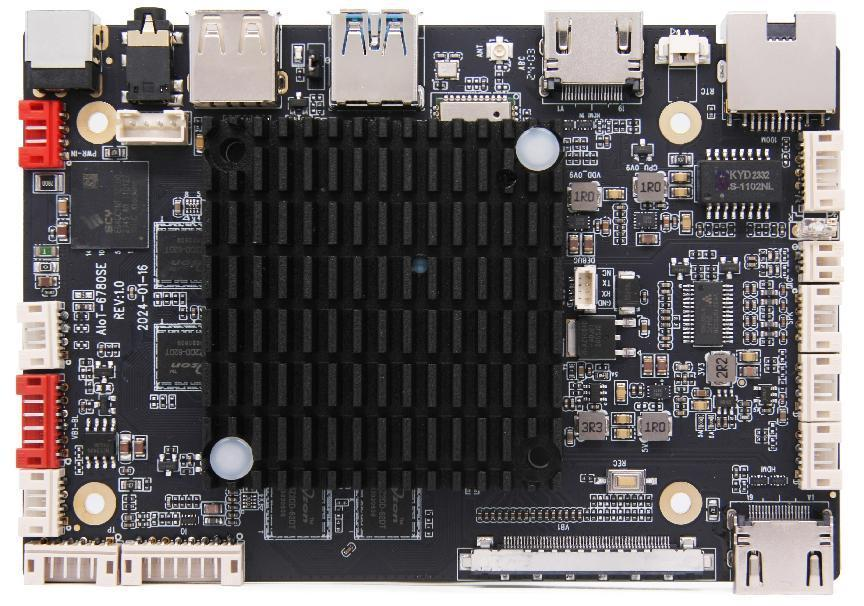
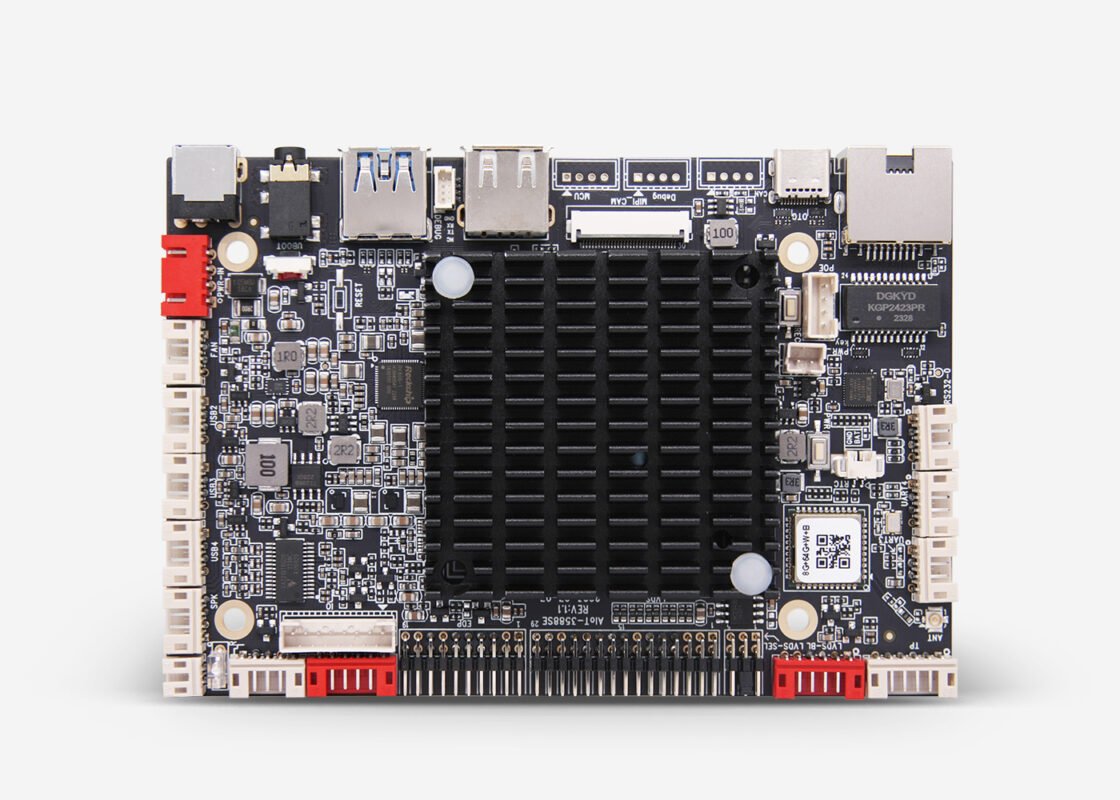
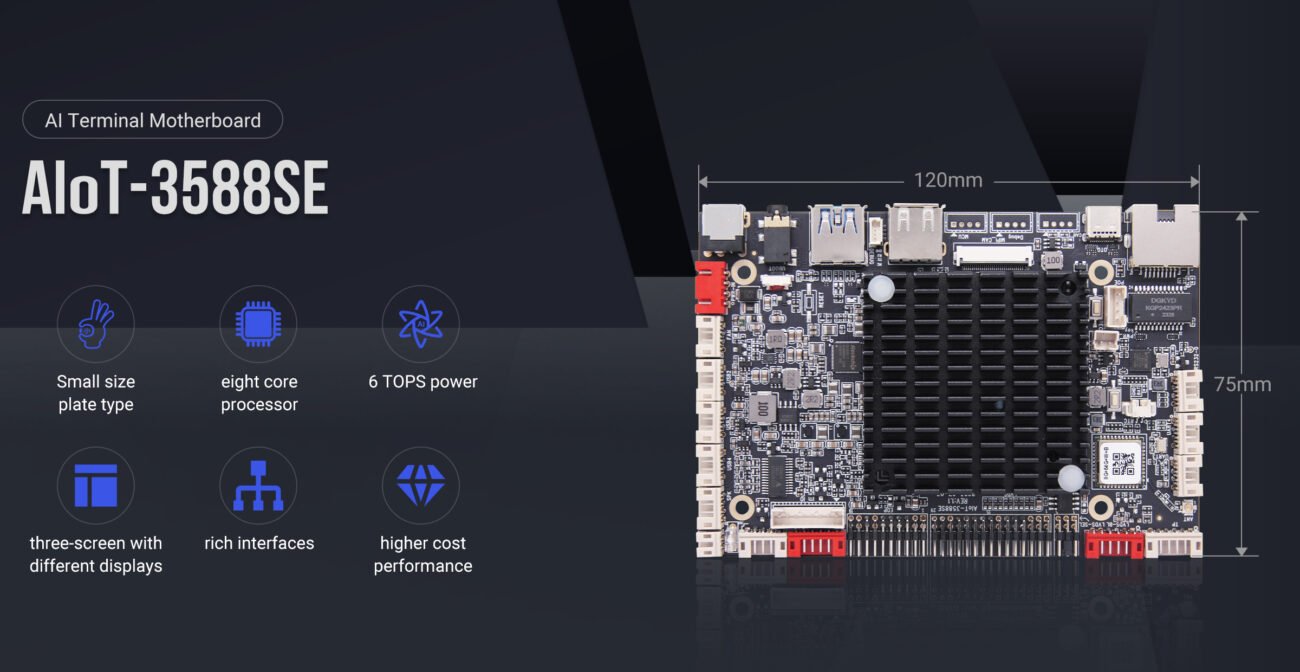
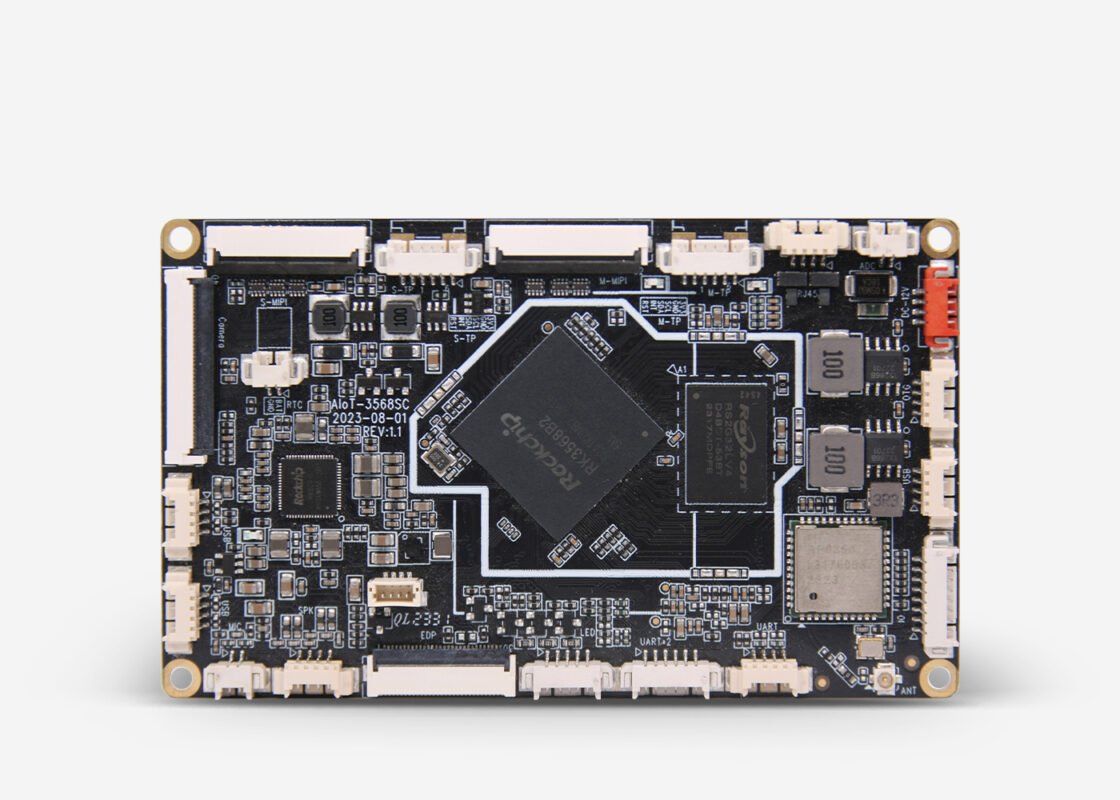
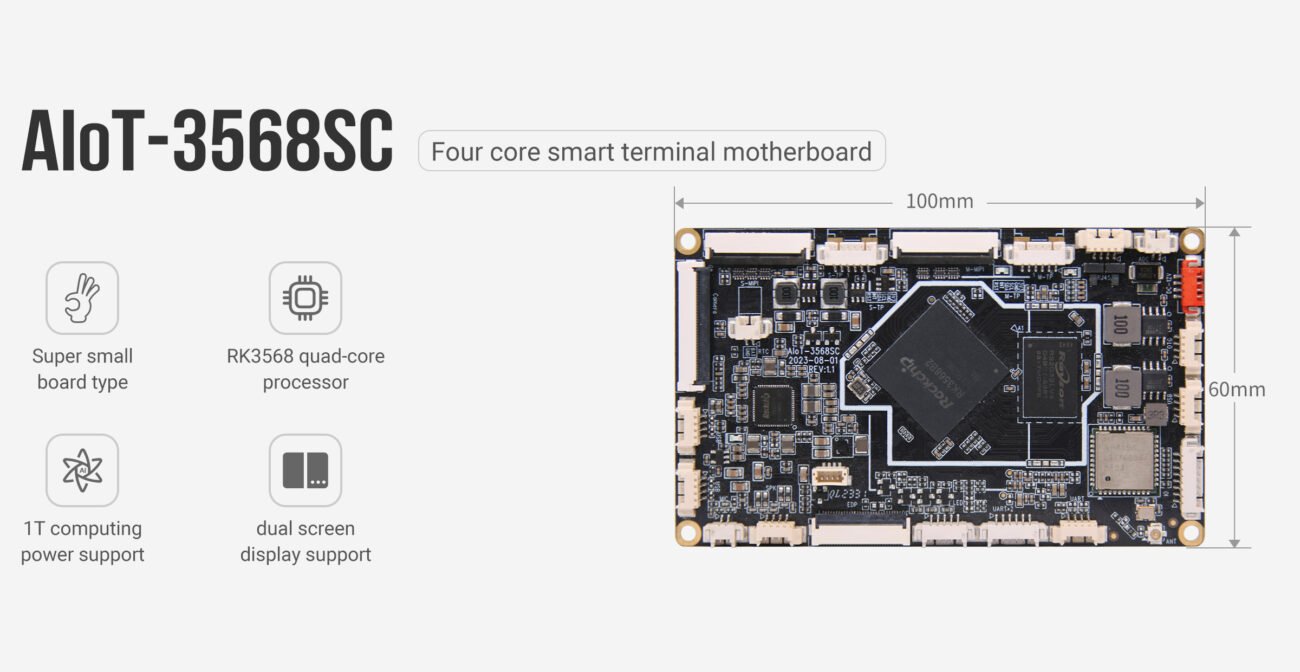
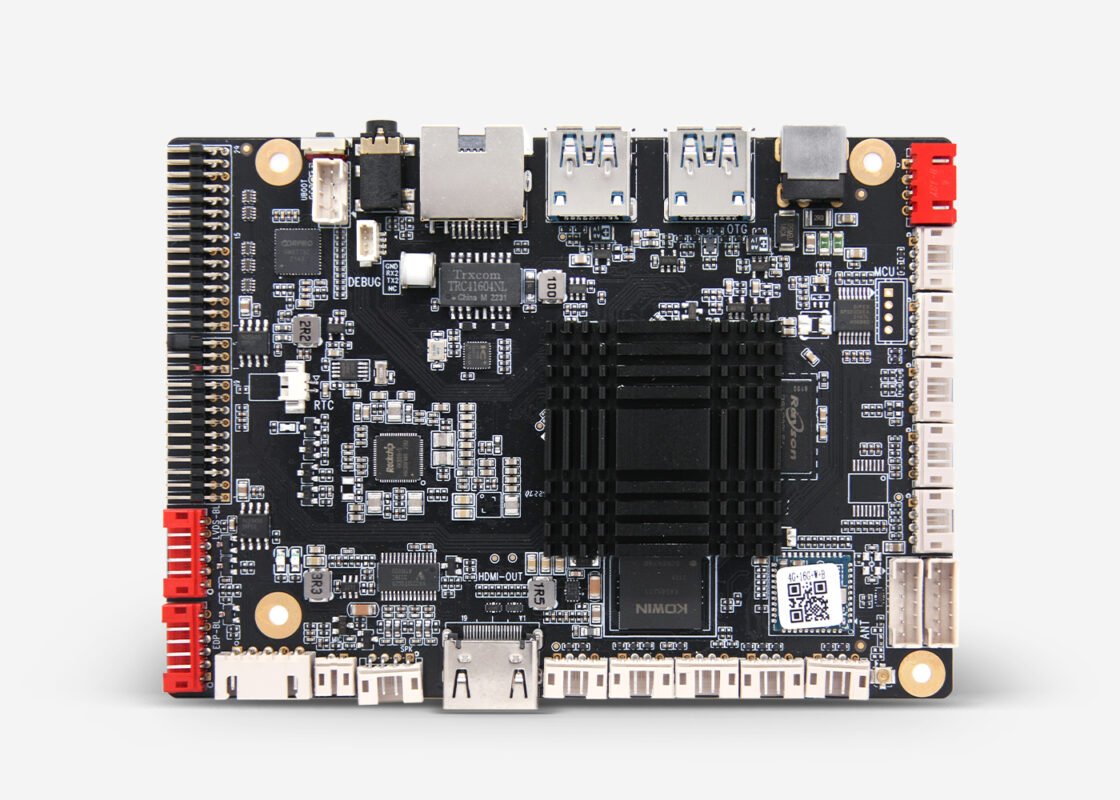
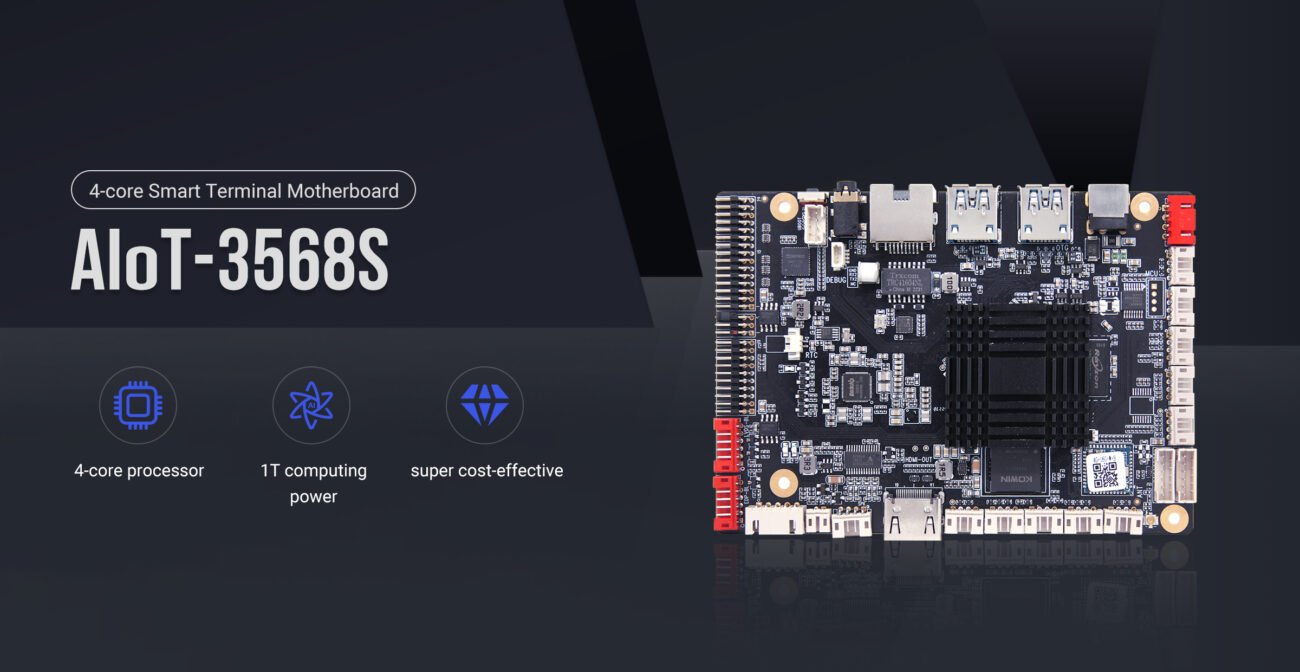
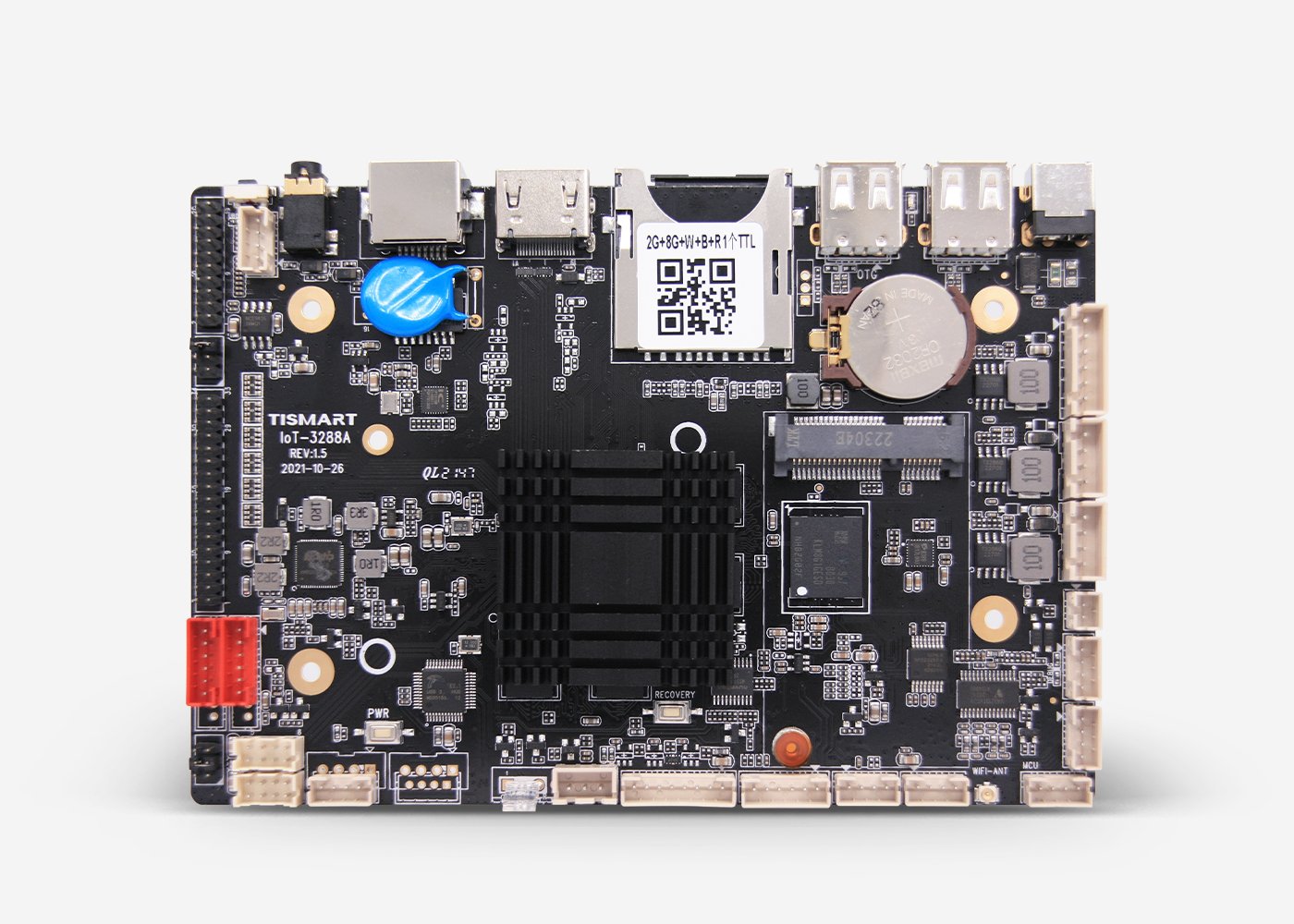
Ultra-thin Android mainboards from ShiMeta are designed for high-performance edge computing scenarios where space-saving design, AI inference capability, and fast deployment matter most. Integrated with powerful RK series SoCs and NPU acceleration, these boards are perfect for smart retail, vision AI, facial recognition, interactive kiosks, robotics, and industrial HMI applications.
1. Customizable Android Platform
ShiMeta’s Android mainboards are built on AOSP, giving developers deep flexibility to customize the operating system. Optimizing system layers, and delivering a unique, purpose-built experience for commercial displays, kiosks, and interactive terminals.
2. Extensive App Ecosystem for Rapid Deployment
With access to Android APKs and the full Google Play ecosystem (where applicable), system integrators can deploy ready-made apps for signage, retail, hospitality, education, and enterprise use. This dramatically shortens development time and eliminates the cost of building software from scratch.
3. Powerful Multimedia & Smooth 4K Playback
Equipped with advanced ARM processors—such as high-performance RK3288 chipsets—ShiMeta boards deliver strong CPU and GPU performance. They support smooth 1080p to 4K video decoding, rich animations, and multitasking, ideal for digital signage, advertising displays, and interactive touch solutions.
4. Ultra-Thin Design for Slim Displays
The ultra-thin form factor allows seamless integration into slim commercial displays and compact enclosures. This design is especially suitable for modern retail displays, ultra-thin advertising players, meeting room panels, and space-constrained embedded systems.
5. Low Power Consumption for 24/7 Operation
ARM-based designs ensure energy-efficient performance with reduced heat output, enabling fanless operation and long-term reliability. Perfect for 24/7 digital signage, kiosk systems, transportation displays, and industrial environments where durability and low operating cost matter.
6. Rapid Development with Familiar Android Tools
Developers can leverage the well-known Android SDK, and abundant documentation. This greatly accelerates prototyping, integration, and deployment compared with traditional embedded Linux or proprietary systems.
7. Cost-Effective Scalability Across Multiple Models
The product lineup ranges from entry-level boards for simple displays to high-end models for advanced graphics and heavy workloads. Businesses can choose the right performance tier while maintaining cross-device software compatibility—maximizing ROI and minimizing development overhead.
8. Versatile I/O for Commercial & Industrial Integration
ShiMeta boards offer rich connectivity options, including HDMI/LVDS/eDP, USB, RS-232/RS-485/UART, GPIO, Ethernet, Wi-Fi, Bluetooth, and touch interfaces. This ensures easy integration with touchscreens, printers, cameras, sensors, barcode scanners, POS peripherals, and industrial equipment.
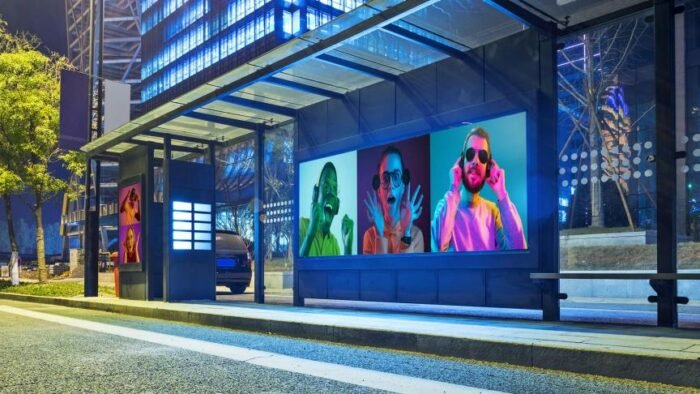
Digital Advertising & Signage
Dynamic digital displays in restaurants, airports, and retail centers are powered by Android boards. They facilitate scheduled advertising campaigns for captivating visual promotions, remote content management, and 4K video playback.
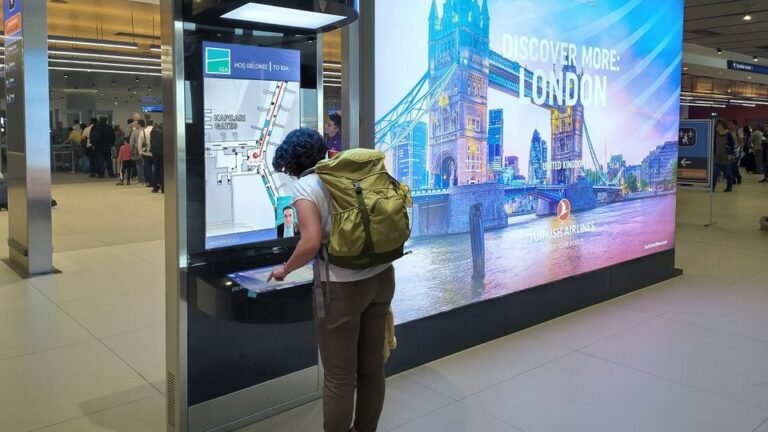
Interactive Kiosks
These Android boards provide self-service terminals for retail orders, ticket purchases, and information inquiries. The user experience in public areas and commercial buildings is improved via touchscreen integration and multilingual user interfaces.
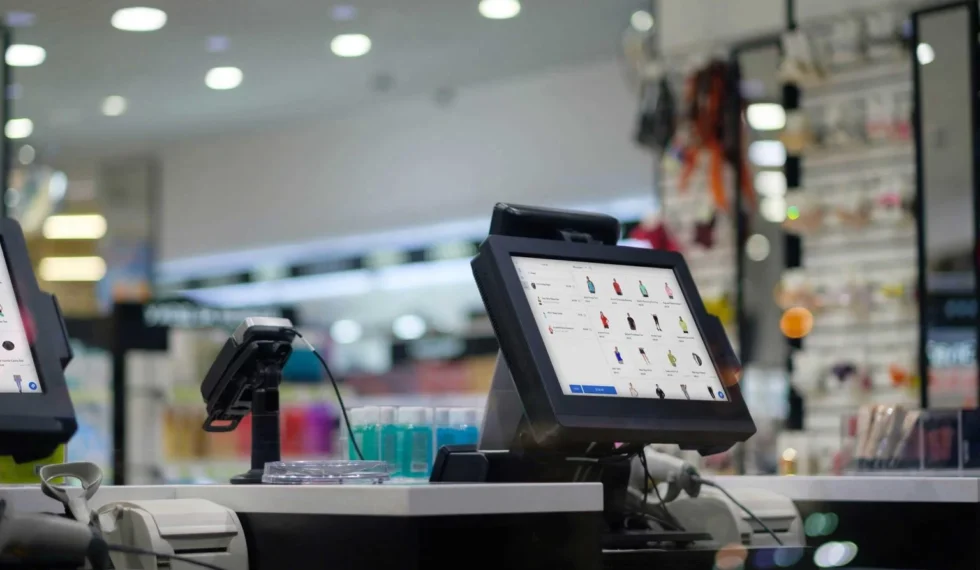
Smart Retail Solutions
From POS systems to inventory trackers, Android boards drive retail automation. They connect with barcode scanners, payment gateways, and digital labels to streamline operations and customer service.
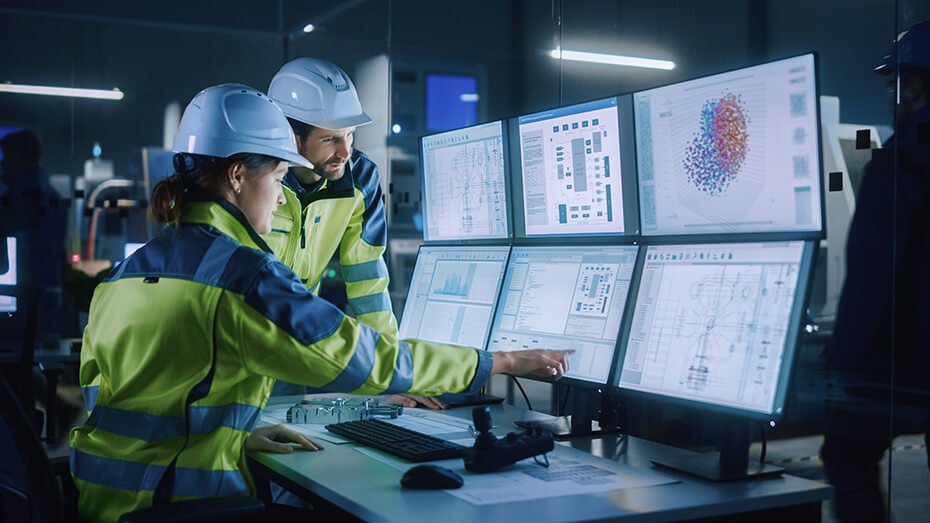
Industrial Control Systems
Rugged Android boards monitor machinery data and HMI interfaces in factories. With GPIO/RS485 ports, they withstand harsh environments while processing real-time sensor data for production line control.
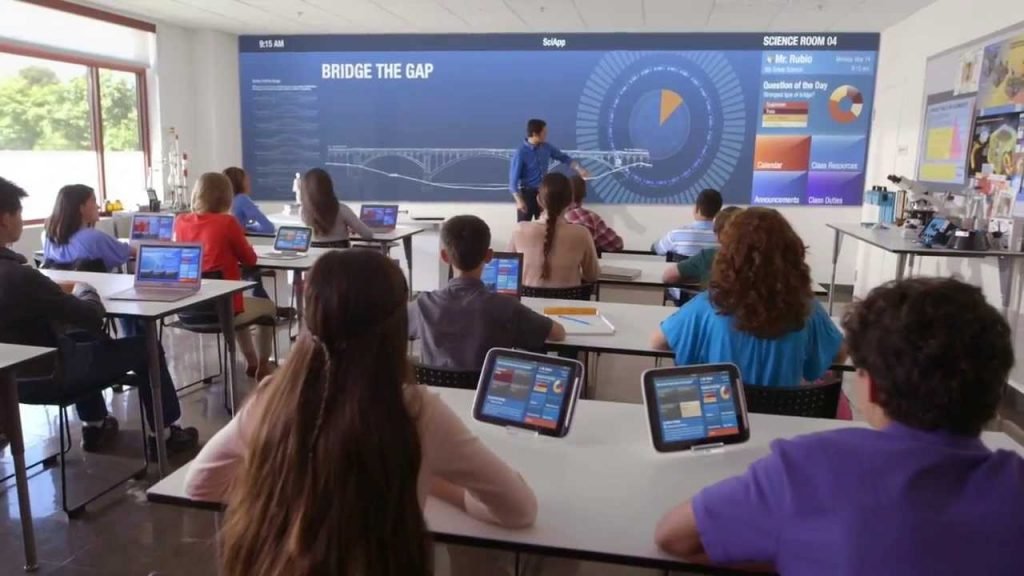
Educational Technology
Android boards are used for multimedia instruction in interactive whiteboards and classroom displays. To update learning environments, they facilitate collaboration technologies, instructional apps, and wireless screen-casting.
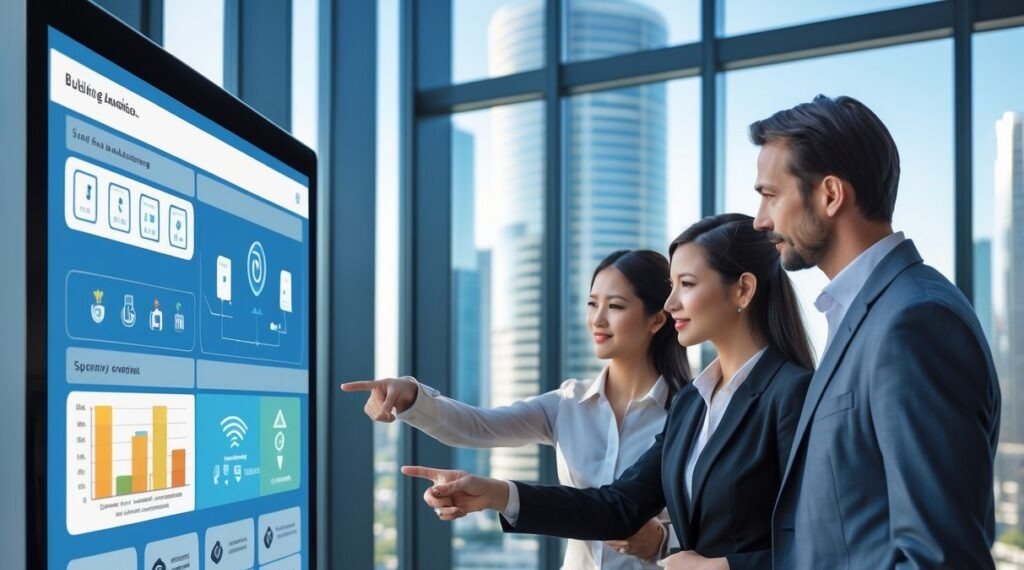
Home& Building Automation
These Android boards function as smart home hubs, controlling Internet of Things devices such as security cameras and lighting. Connected living and working areas are made possible by voice assistant integration and energy management features.
| Feature | Ultra-Thin Android Board | Standard Android SBC | x86 Embedded Board |
| Thickness | <12mm | 20–35mm | >30mm |
| NPU | Yes (3–6 TOPS) | Limited | External add-on only |
| OS | Android 11–14 | Android/Linux | Windows/Linux |
| Boot Time | <10s | 15–30s | 30s+ |
| Power Efficiency | Low | Moderate | High |
| Display Output | HDMI, LVDS, eDP | HDMI | HDMI, VGA |
Tell us your device requirements. We provide OEM/ODM support for ultra thin Android boards.
Yes. These boards are used by OEMs to build Android-based touch displays, tablets, and kiosks with HDMI or LVDS output.
Absolutely. We offer firmware flashing, app pre-installation, and bootloader configuration for your production batches.
Yes. Most ultra-thin Android boards use passive cooling with aluminum heatsinks and require no fan.
They are widely used in kiosks, POS systems, smart mirrors, and signage devices.
Yes, OEM/ODM customization is available including ports, OS, and branding.


