


Clarity and speed are essential for transportation networks. Everyone needs information, whether they are a family boarding a train, a traveler navigating an airport, or a commuter taking a bus. Digital signage hardware facilitates the rapid, effective, and instantaneous display of such vital information to commuters.
However, screens may be utilized for more than just providing information; they can also enhance safety and provide accessibility features. Learn how modern digital signage hardware solutions can improve real-time transportation communication.
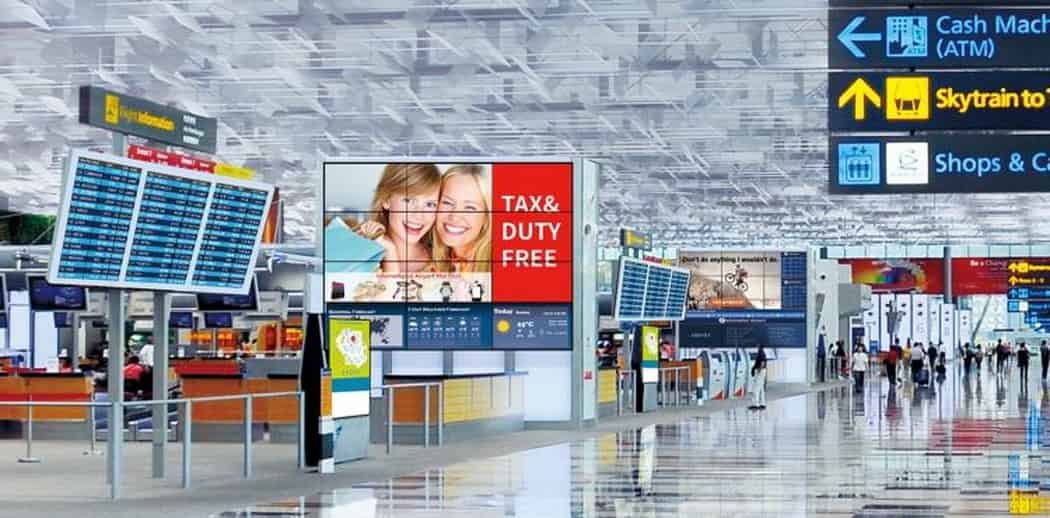
Any screen used to provide information to passengers in transit systems, such as bus stops, subway stations, airports, and ferry terminals, is referred to as transportation digital signage.
The explanation is straightforward: Digital signage can display real-time updates, directions to different areas of the building, safety alerts, and even advertising that generate cash in place of printed timetables or static boards.
Without having to replace physical signage, content may be updated quickly on one or thousands of screens thanks to cloud-based digital signage software.
For travelers, this implies that precise information is always accessible at the appropriate moment. It’s an affordable communication tool for operators that lowers confusion, boosts consumer satisfaction, and creates new revenue opportunities through ticketing or advertising.
The days of screens just showing the name of the destination or announcing stops with a robotic voice are long gone. The potential of digital signage in transit situations may now be fully realized with more dynamic, captivating, and user-friendly options. We’ll examine these three application situations in more depth below:
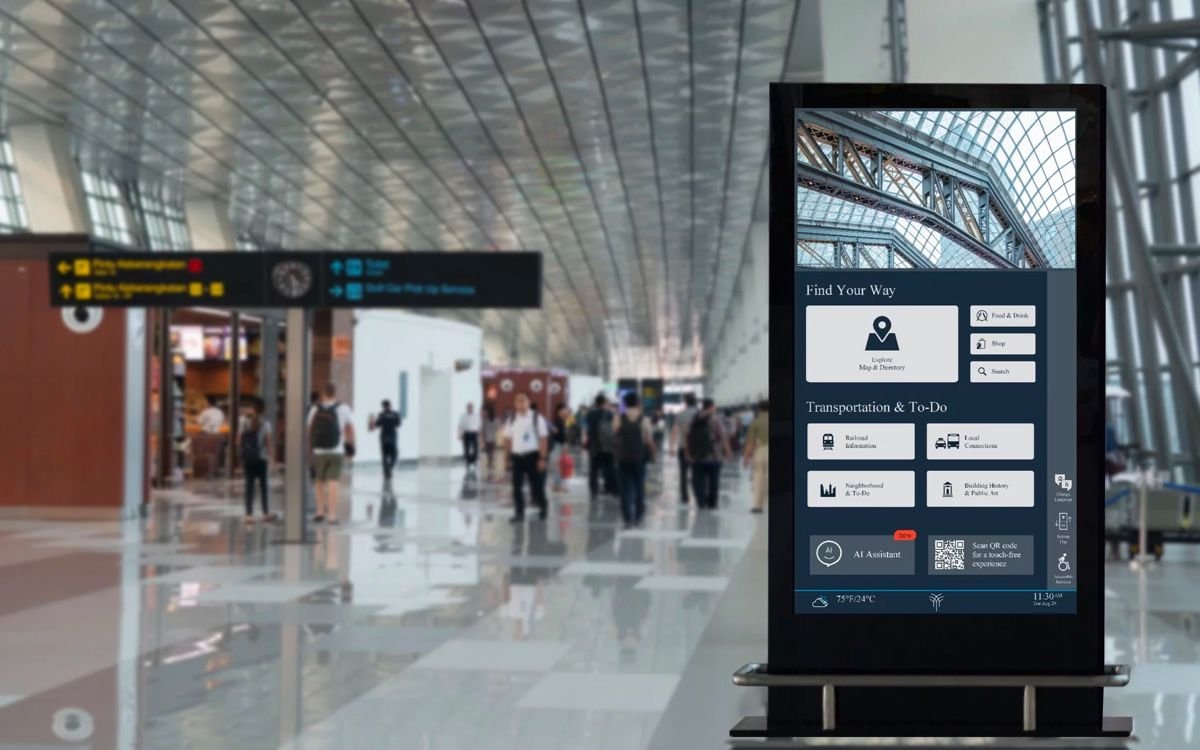
Both newcomers and frequent commuters want clear directions. Travelers, who frequently feel anxious or hurried, find digital wayfinding kiosks that provide easy-to-follow directions to be extremely helpful.
By letting users choose their starting point and destination, these kiosks go beyond static displays and guarantee that they only see the routes and modes of transportation that are important to them. Among the elements that improve this experience are:
providing several route possibilities for the same time period and adjusting the map view according on the user’s orientation.
For instance, interactive kiosks at Philadelphia’s suburban station offer free Wi-Fi, individualized instructions, service details, and even USB outlets for charging devices while travelers wait for their train.
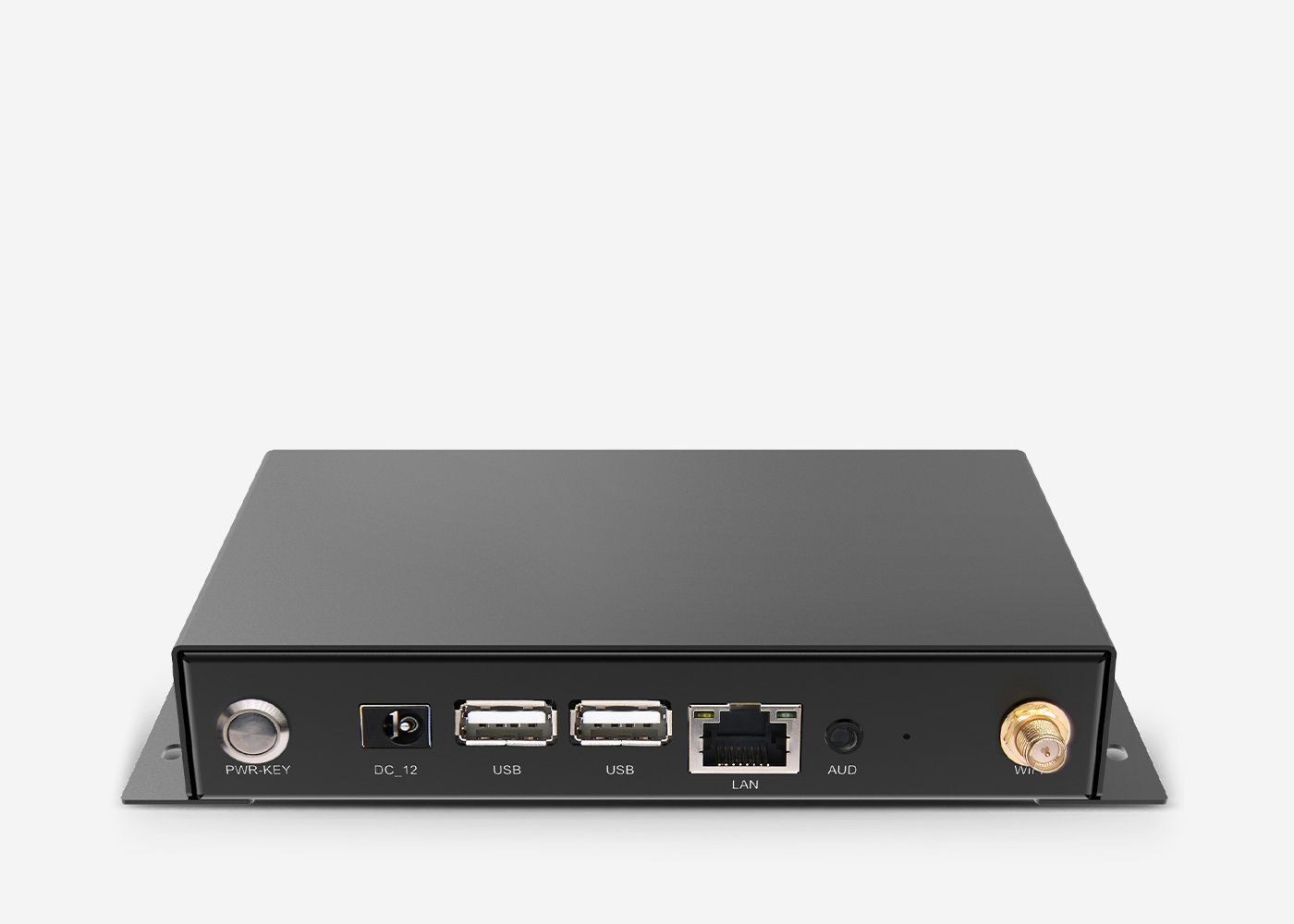
High-performance 4K signage player designed for transportation displays, real-time information systems, and smart wayfinding solutions.
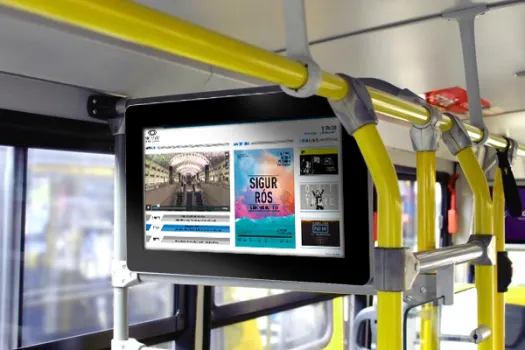
Most of us have waited for a bus that never showed up or was late. When we think back on these instances, we find that the absence of notification—which would have enabled us to make appropriate plans—is more annoying than the delay itself.
Such circumstances can be avoided thanks to digital signage kiosks and monitors. You can give travelers real-time schedule and service information if you have a media player and a reliable Wi-Fi network. Real-time updates include, for example:
Additionally, waiting passengers can be informed via digital signage about the capacity of inbound cars, enabling them to make informed boarding choices. Travelers are more likely to wait if they see on the display that an empty bus is on its way, which guarantees a more comfortable ride and avoids delays or crowding. Installing sensors that gauge car occupancy makes this feasible. After that, the information can be shown to both passengers and those in line, making it easier for people to find the least busy sections.
For instance, monitors in the Netherlands display the number of people occupying trains as well as the seats that are available. To guarantee finding a seat, these screens also show which doors are ideal for boarding at each stop.
Static posters and billboards have been replaced by digital signage screens in bus shelters and waiting spaces. These screens use rich media material to deliver messages in a dynamic style that draws in users who are used to social media and applications’ continual stimulation.
What are these displays capable of displaying? You may add games, quizzes, or updates on local events, movies, and theaters in addition to the well-liked news, weather, and sports scores. Basically, everything that can draw in viewers and enhance the experience is effective.
Ensuring that passengers always have the correct information at the right time is a major problem for transit providers. Digital signage allows for instantaneous updates from a single central system, as we have already seen.
But this is just one of the numerous benefits. Here are some others:
Lower cost: The long-term savings are substantial, even though the initial setup necessitates an investment in digital displays and digital signage technologies. Physical sign printing and replacement are costly and time-consuming, particularly in big networks. These problems don’t exist with digital signs.
Customer satisfaction: Another important factor is customer satisfaction. Services that facilitate a smooth travel experience are more likely to be trusted and used again by passengers. Reliable transportation facilities include things like easy wayfinding, precise transit times, and interesting content. The train’s punctuality is not the only consideration.
Opportunities for revenue: Digital signage can serve as platforms for advertising, enabling suppliers to collaborate with regional companies or national brands. By providing travelers with timely updates and helpful information, this additional revenue can balance expenses.
Talk to our experts and get a customized solution for your transit system.
Contact Our Experts →


Somebody necessarily lend a hand to make seriously articles I’d state.
That is the first time I frequented your web page and so far?
I surprised with the research you made to mqke this particular
put up extraordinary. Excellent process!
I loved as much as you’ll receive carried out right here.
The sketch is tasteful, your authored subject matter stylish.
nonetheless, you command get got an impatience over that you wish be delivering the following.
unwell unquestionably come further formerly again since exactly the same nearly very often inside case
you shield this hike.