


As artificial intelligence continues to push computing to the network’s edge, businesses are looking for hardware platforms that can deliver real-time processing, low power consumption, and flexible customization — all at scale. In this pursuit, Linux-based ARM motherboards have emerged as the ideal foundation for edge AI computing.
Whether you’re deploying smart cameras, autonomous machines, or AI-powered kiosks, the combination of ARM architecture and open-source Linux software offers a unique balance of performance, power efficiency, and control.
In this guide, we’ll explore why Linux ARM motherboards are perfectly suited for the edge AI revolution, diving into technical benefits, real-world applications, and recommended hardware platforms from ShiMeta Devicess.
Edge AI refers to the processing of artificial intelligence algorithms directly on edge devices — close to the data source — rather than relying on centralized cloud servers. This local inference enables:
These advantages make edge AI essential in applications like smart cities, retail analytics, industrial automation, and healthcare diagnostics.
Running AI at the edge presents challenges:
That’s where ARM-based Linux motherboards thrive.
1. Power Efficiency
ARM processors are designed with performance-per-watt in mind. Unlike x86 processors, which often require fans or heatsinks, ARM chips run cooler — enabling fanless, passively cooled systems ideal for edge deployments.
This makes them perfect for:
2. Integrated AI Acceleration
Modern ARM SoCs (System-on-Chips) often include:
For example:
These SoCs can handle tasks like object detection, pose estimation, speech processing, and classification — all locally, without the cloud.
3. Scalable and Compact Form Factors
ARM motherboards are available in a range of sizes:
Their small footprint and minimal power needs allow integration into:
Pairing ARM hardware with Linux offers several distinct advantages that proprietary operating systems can’t match:
1. Open Source Customization
Linux gives developers full control over:
You can strip down or expand the OS to match your device’s purpose — whether it’s a high-performance AI kiosk or a headless monitoring terminal.
Popular Linux distributions for embedded ARM:
2. Real-Time Capabilities
Linux can be patched with PREEMPT-RT for real-time operations — a critical feature for edge AI devices requiring:
3. Compatibility with AI Frameworks
Linux supports a wide range of open-source AI libraries and frameworks, such as:
Most ARM SoC vendors provide Linux SDKs with support for AI toolchains, including pre-compiled models and acceleration APIs.
4. Secure and Scalable Remote Management
Using Linux, developers can integrate:
This helps scale operations from prototype to thousands of deployed units, each with individualized AI models or configurations.
High-efficiency ARM motherboards designed for AI cameras, kiosks, robotics, smart retail, industrial control, and embedded vision systems.
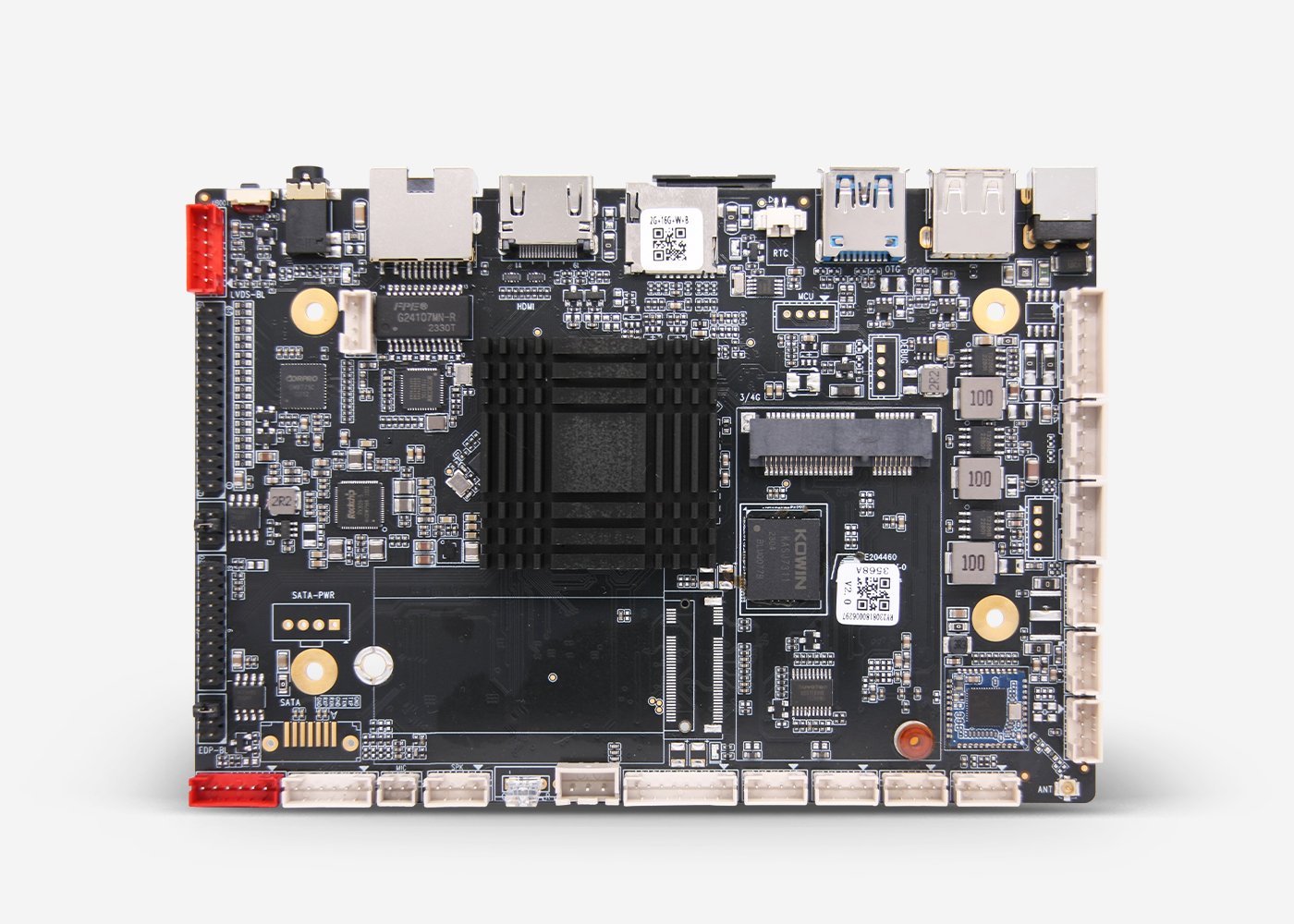
Ideal for kiosks, HMI terminals, digital signage, and low-power smart devices.
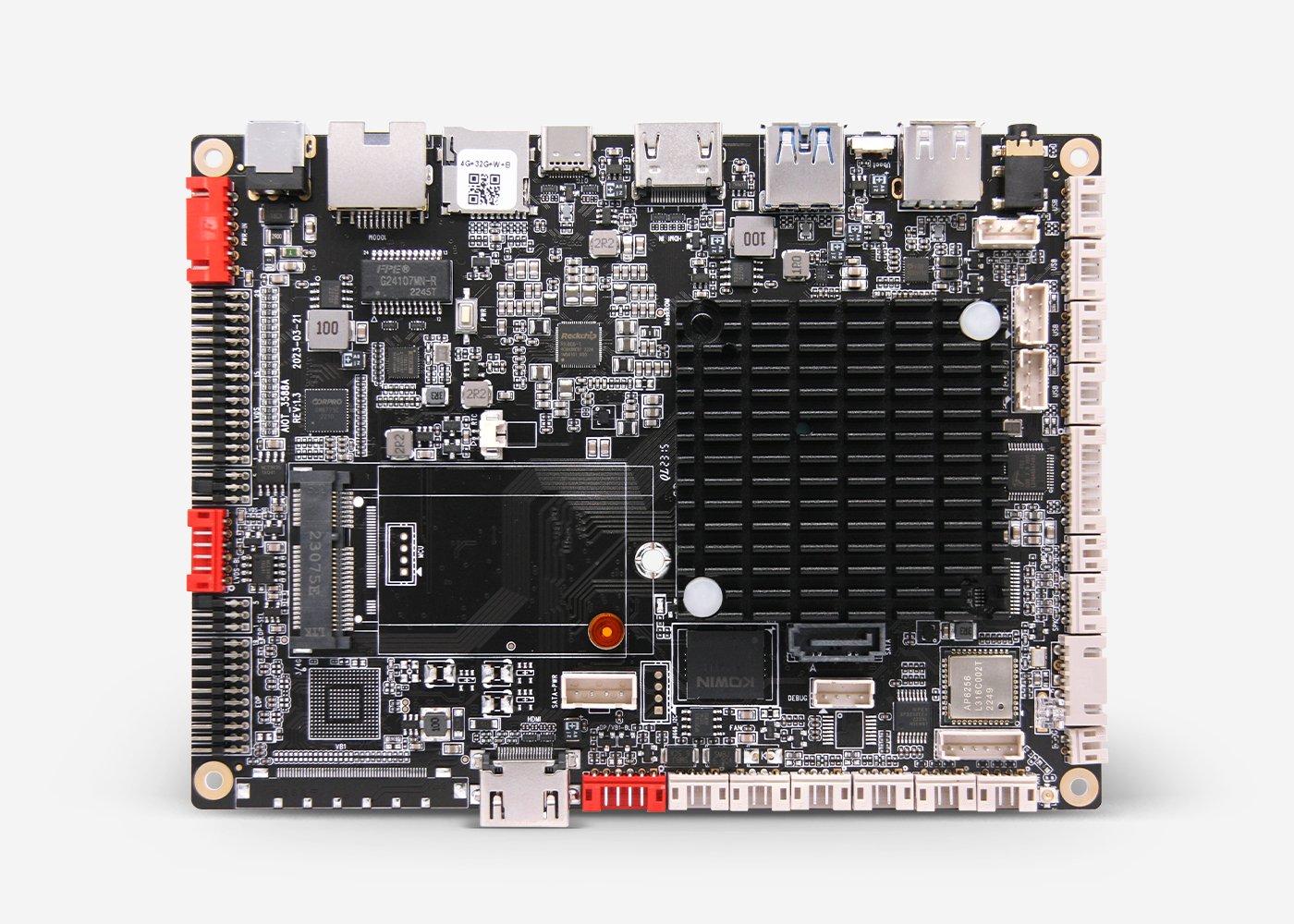
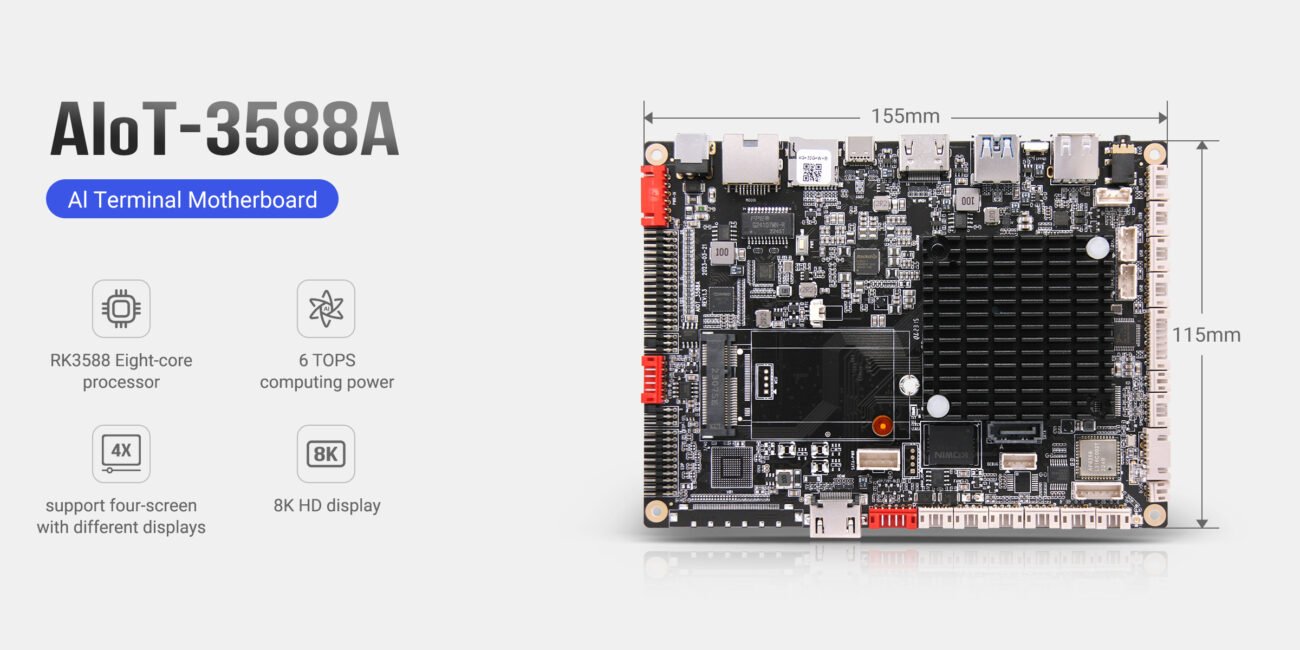
Powerful edge AI motherboard for machine vision, multi-camera analytics, and smart automation.
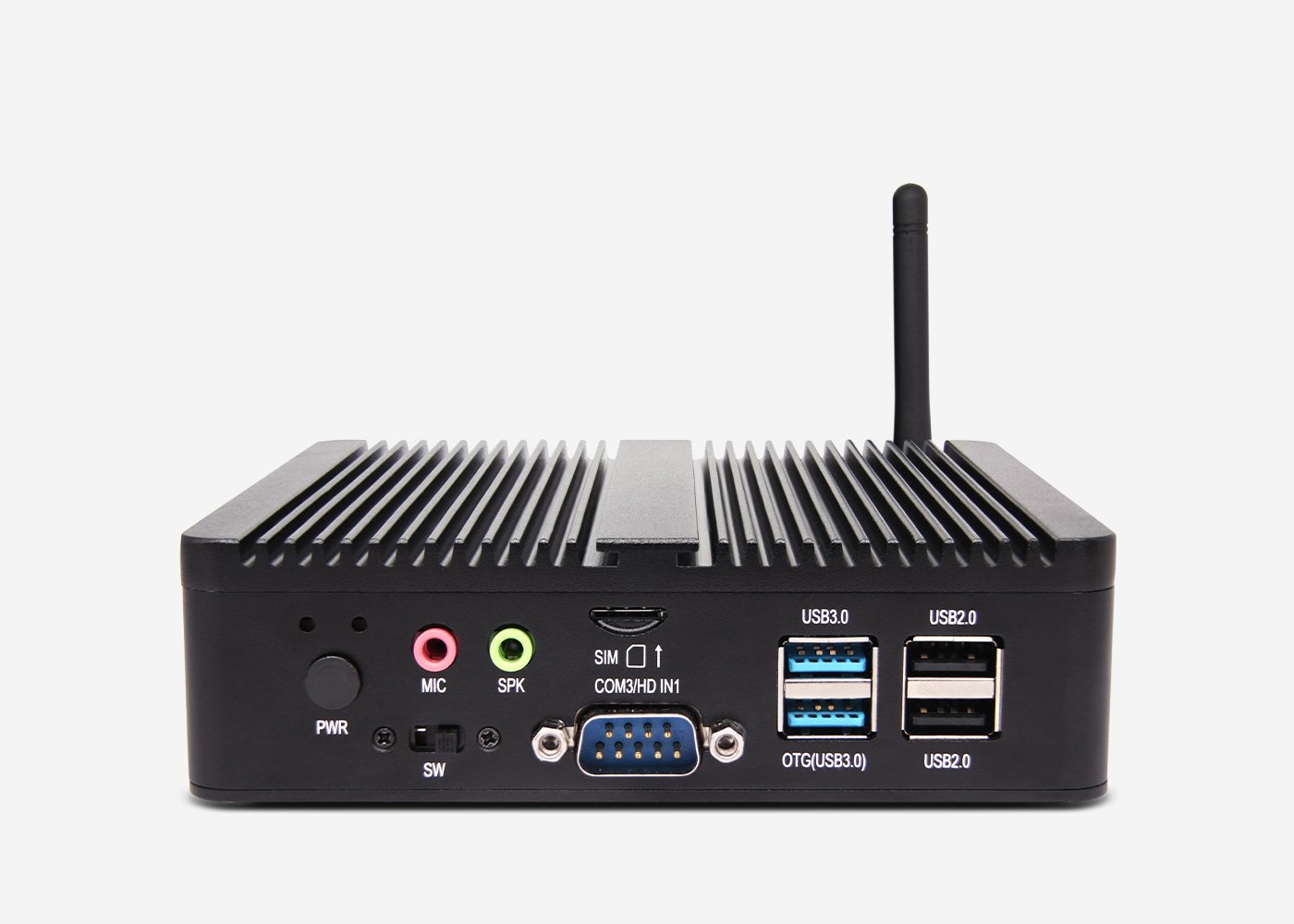
Ready-to-deploy Linux AI box for edge inference, smart monitoring, and industrial deployments.
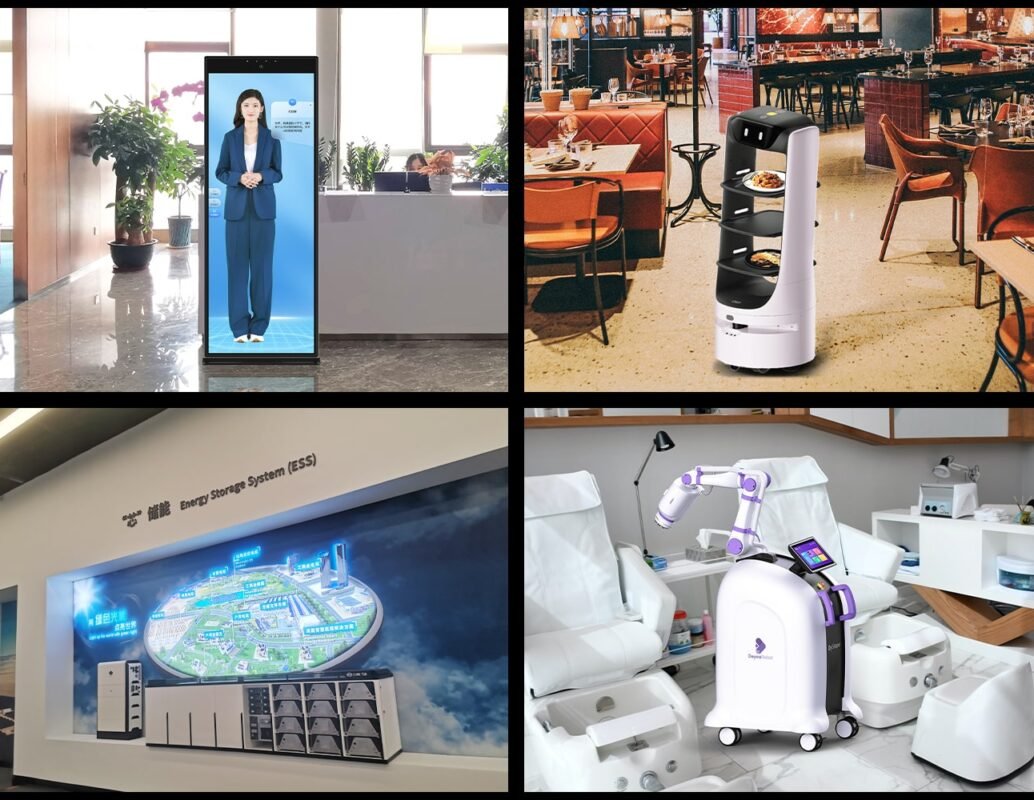
Smart Cameras and AI Vision Systems
Industrial Automation & Robotics
Smart Retail and Digital Signage
Environmental Monitoring
Healthcare Devices
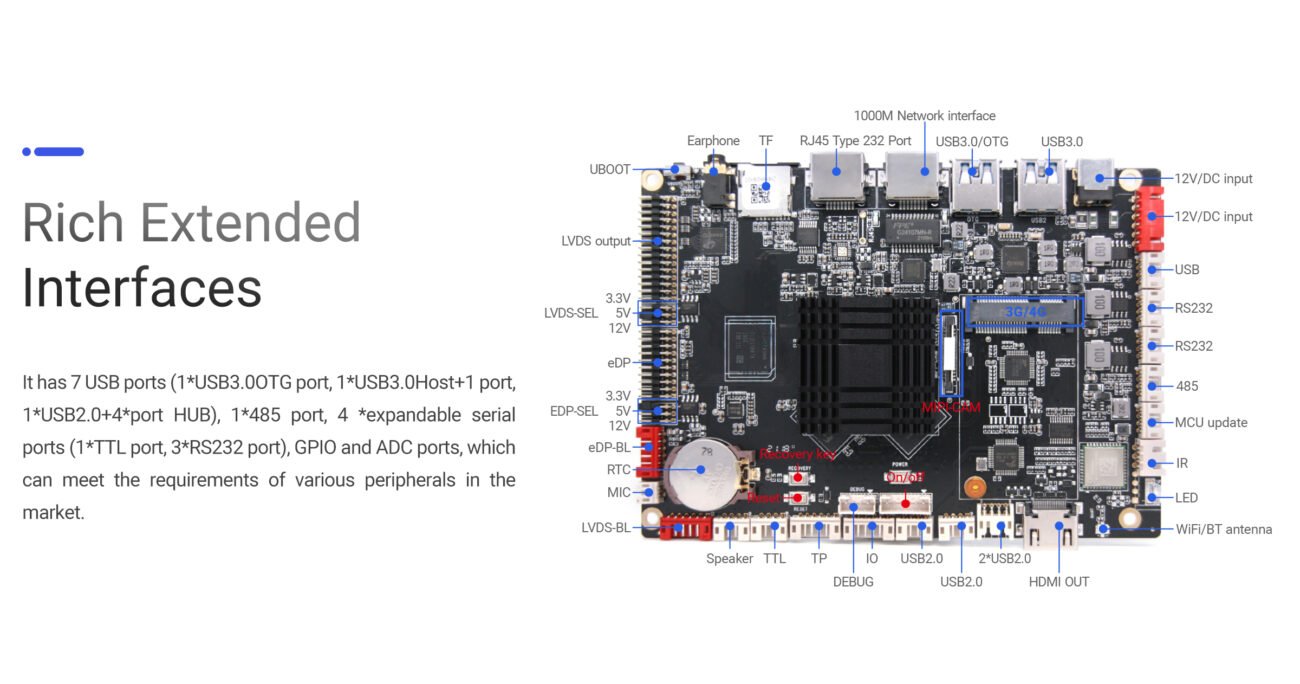
ShiMeta Devices provides a line of industrial-grade ARM motherboards pre-configured with Linux BSPs and optimized for AI at the edge.
AI Performance
Thermal Design
Form Factor & I/O
Software Support
Security
In a world where edge intelligence is key to speed, privacy, and cost reduction, the hardware-software stack you choose matters. Linux ARM motherboards provide a flexible, secure, and power-efficient foundation for AI systems deployed anywhere — from urban kiosks to remote sensors.
With ShiMeta’s selection of AI-optimized Linux ARM motherboards, OEMs and developers can build scalable, robust edge solutions backed by industrial-grade reliability and open-source flexibility.
ARM platforms deliver better performance-per-watt, lower heat output, fanless operation, and lower system cost — making them ideal for modern always-on AI edge devices.
ARM processors typically offer better performance-per-watt, lower heat output, and easier fanless design, making them ideal for compact always-on edge AI devices.
Yes. Linux supports many ARM platforms including Ubuntu, Debian, Yocto, Buildroot, and custom embedded distributions.
Popular choices include Rockchip RK3568, RK3588, NXP i.MX series, and NVIDIA Jetson platforms depending on performance needs.
In many embedded projects, ARM boards offer lower total system cost thanks to lower power usage, integrated features, and compact hardware design.
Common applications include AI cameras, kiosks, robotics, industrial automation, digital signage, and smart retail systems.


