


The phrase “Shenzhen device” might be familiar to you if you often peruse tech publications, e-commerce sites, or electronics. They frequently have the “Shenzhen” branding, whether they are AIoT terminals on display at trade events, smart point-of-sale systems in retail establishments, or Android tablets on Amazon.
What does the term “Shenzhen device” actually mean, then? And why has it turned into a major attraction for customers and buyers worldwide?
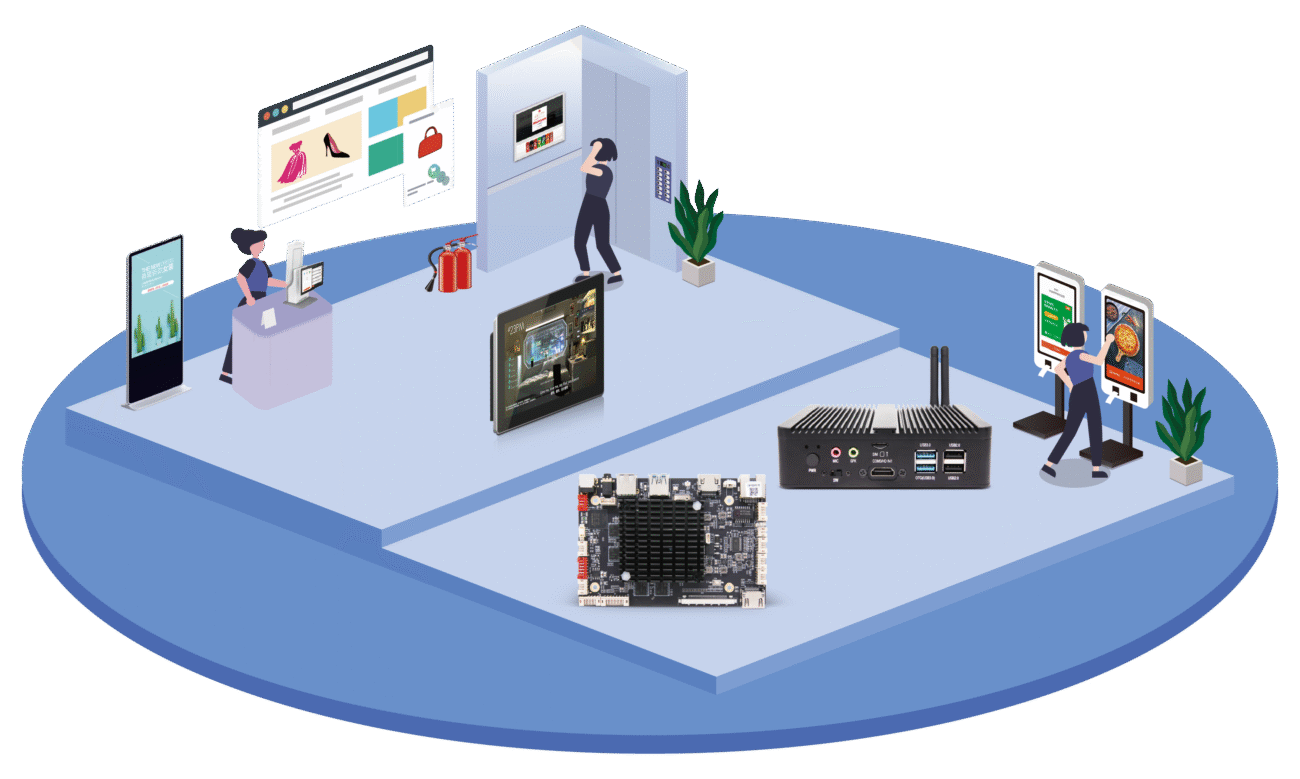
Shenzhen devices generally refer to electronic products and smart devices that have been designed, manufactured, or assembled in Shenzhen, China. As the “world’s factory” and “hardware capital,” Shenzhen hosts the world’s most comprehensive electronics manufacturing supply chain, giving rise to a vast array of diverse devices.
In other words, when people talk about Shenzhen smart devices or Shenzhen Android devices, they usually mean smart devices designed and manufactured by Shenzhen-based companies, especially multi-purpose Android devices.
Shenzhen’s pivotal role in the global smart hardware industry stems from several key factors:
Shenzhen boasts an integrated supply chain spanning chips → motherboards → displays → batteries → casings → assembly → export. Whether producing small-batch prototypes or large-scale mass production, it can be accomplished in record time.
In Shenzhen, a startup can progress from concept → prototype → small batch → market-ready product within weeks. This “hardware innovation velocity” is unmatched globally.
Multiple market studies indicate that most small-to-medium electronic products on cross-border e-commerce platforms like Amazon and eBay originate from Shenzhen manufacturers. Both high-end ODM/OEM orders and budget brands rely on Shenzhen’s manufacturing capabilities.
Beyond robust manufacturing facilities, Shenzhen clusters R&D engineers, design teams, and supply chain management talent. Coupled with policies incentivizing innovation, Shenzhen device has increasingly become synonymous with global technology.
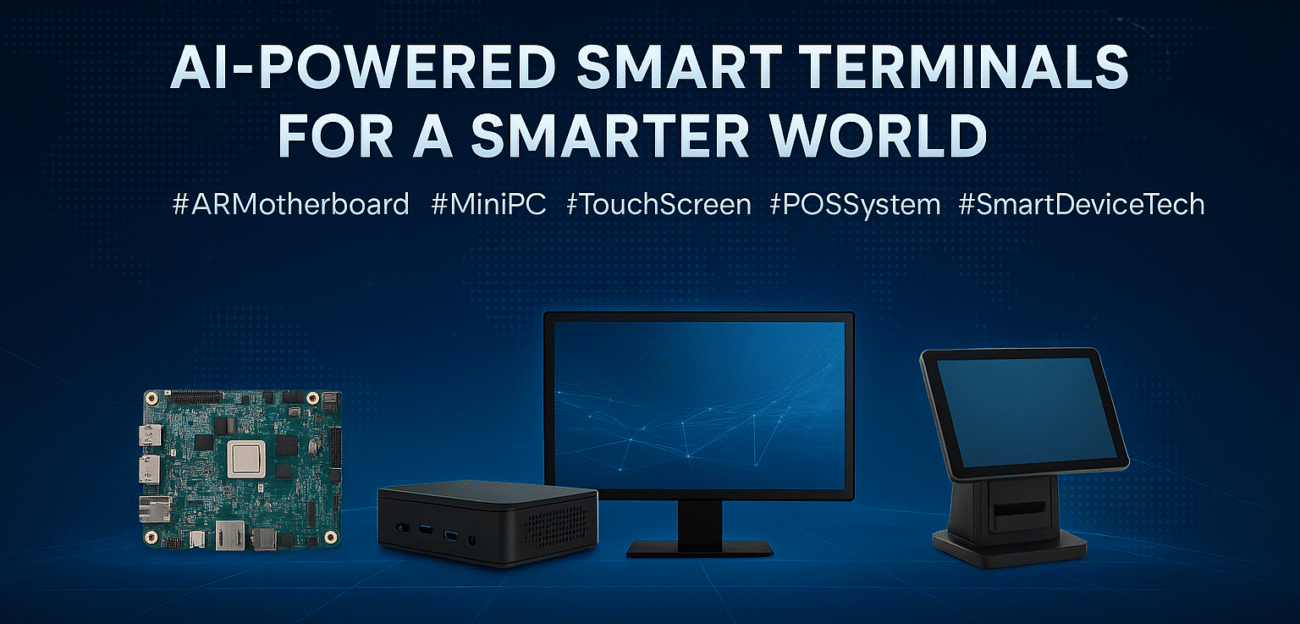
• Android-based point-of-sale systems: widely used in the restaurant and retail sectors.
• Self-service kiosks: self-service kiosks, payment terminals, information kiosks.
• Mini Pc with Android operating systems and digital signage players: advertising screens in shopping malls, information screens in subways/airports.
• Integrated industrial touch computers: smart factories, educational facilities.
These product categories form the core of the Shenzhen smart device ecosystem.
Shenzhen device typically costs 30%–50% less than comparable products from Europe, America, and Japan, making it highly suitable for large-scale deployment by small and medium-sized enterprises.
Shenzhen manufacturers commonly offer OEM/ODM customization services, modifying hardware interfaces, operating systems, and software functions to meet diverse industry applications based on client requirements.
From prototyping to mass production, Shenzhen’s supply chain response times are measured in weeks, not months.
Many Shenzhen Android devices already support the latest Android versions, AI chips, and cloud management platforms.
Many overseas buyers ask: “Are Shenzhen devices reliable?”
In fact, hardware from many internationally renowned brands is manufactured in Shenzhen or supported by its supply chain.
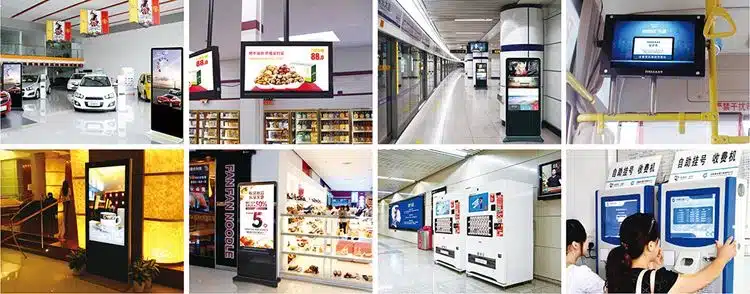
These scenarios demonstrate the extensive global applications of Shenzhen smart devices across commercial and public sectors.
In summary, Shenzhen devices are an essential part of the global smart hardware ecosystem and are not just associated with “Made in Shenzhen.” With their low prices, quick invention, and ability to customize, Shenzhen devices—from consumer electronics to industrial terminals, and from Android point-of-sale systems to AIoT gateways—have established a distinct niche for themselves in the global market.
For buyers and enterprises, choosing Shenzhen devices means:
In today’s era of rapid intelligent and digital transformation, Shenzhen smart devices and Shenzhen Android devices will continue to lead global industry trends, serving as a vital force driving AIoT and smart applications.


