


Many industries worldwide use embedded computers. Embedded computers are used everywhere, from network security devices to monitor and prevent intrusion vulnerabilities to pipeline monitoring in the oil and gas sector.
Finding the ideal embedded computer necessitates a thorough comprehension of the particular use case.
Embedded Box PC, Gateway, Controller, Industrial PC, and more terms are used to describe embedded computer systems. Any computer system that is built for a particular purpose and integrated into a larger device, intelligent system, or installation is essentially an embedded PC. The phrase “embedded PC” refers to a wide range of computer types, including edge servers, rugged PCs, and industrial PCs.
From the tiny ARM-based devices that discreetly gather and transmit data to the all-in-one solutions that power massive earth movers and military equipment, embedded computers come in an infinite variety of sizes and configurations. The constantly developing Internet of Things (IoT), which makes connectivity between devices, people, locations, objects, and the cloud possible, also heavily relies on embedded computers.
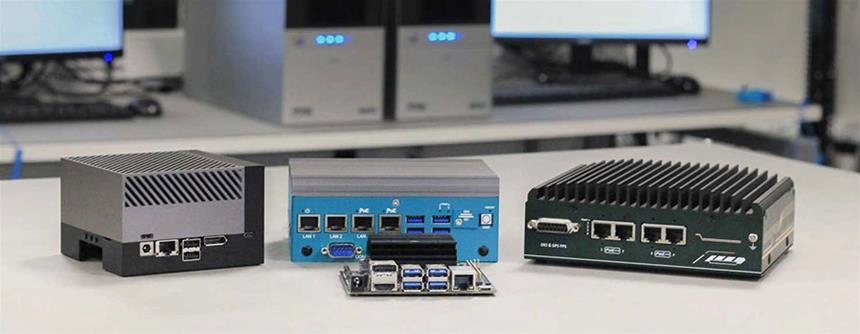
1. Rugged Embedded Computer
Rugged embedded computers are specifically made to function in harsh conditions and are constructed with sturdy parts and materials to guarantee dependability and longevity. Extreme temperatures, shock, vibration, and even exposure to water can all be tolerated by these computers. They are perfect for outdoor, industrial, and mission-critical applications where dependability is crucial because of their fanless and cableless features, which increase robustness.
Because of its high performance and tough architecture, the Shimeta Rugged industrial computer is frequently utilised in Intelligent Transportation Systems (ITS) and severe production settings where abrupt temperature fluctuations are frequent. It is the ideal choice for those who need a rugged computer that can consistently function in difficult situations due to its robust computing capability and endurance.
2. Vehicles with Embedded Computers
Vehicles with embedded computers, like cars and trains, are designed to manage the particular difficulties of transportation settings. These systems have integrated power ignition control, CAN Bus protocols for vehicle communication, and EN50155 certification for railway dependability. These computers are perfect for automobile and railway applications since they are built to withstand frequent shocks, vibrations, dust, and fluctuating power voltages.
Machine Vision Embedded Computers are designed for applications that require a lot of graphics and computation, such as machine automation, image processing, and vision measurement. These systems are perfect for real-time visual data analysis in industrial automation and inspection jobs because they have full-length GPUs, powerful Intel processors, and the newest RAM.
4. Embedded Panel PC
Embedded panel PCs are robust devices that integrate the features of an embedded computer with a tough display. frequently utilised as Human-Machine Interfaces (HMIs) in production facilities, factories, and kiosks. Industrial panel PCs are designed to withstand extreme situations. They have waterproof front panels and can function in a wide variety of temperatures, guaranteeing dependability in demanding settings.
5. Single Board Computer Embedded
The processor, memory, storage, and I/O ports are all integrated onto a single circuit board in an Embedded Single Board Computer (SBC), a small, all-in-one solution. It offers developers flexibility while guaranteeing effective performance in contexts with limited space thanks to its compact size, low power consumption, and customisable I/O choices.
For instance, ShiMeta Motherboard, an industrial SBC, seamlessly integrates into our customers’ kiosks in kiosk applications that need compact computing hardware with extensive I/O capabilities. It satisfies all I/O requirements while enabling facial detection systems for sports arena security, making it an ideal solution for such setups.
How an embedded PC is used is the easiest way to define it. Nonetheless, embedded computers are an essential component of contemporary system architecture due to a few crucial characteristics. Compared to conventional consumer-grade hardware, embedded computers have several significant advantages. These benefits consist of:
Small Form Factor: Embedded computers can be deployed in locations where conventional towers would never fit since they are frequently constructed around small form factor motherboards like Intel’s NUC or Mini-ITX. Additionally, embedded PCs may be used in almost any position or orientation thanks to solid state storage and adaptable mounting choices.
Low Maintenance: Since embedded computers are frequently found deep within intricate systems, dependability is crucial. Embedded and industrial computers are designed to function continuously around the clock. They frequently use well-designed enclosures that shield internal parts from environmental harm. This can include everything from vibration and extremely high or low temperatures to dust and flying debris.
Effective Cooling: Fans are used in consumer-grade computers to help move air over parts and keep them cool. Fans give an embedded system a possible point of failure. Fans also need the chassis to be vented so that air can enter and exit. Although some embedded PCs still use fans, many industrial PCs may now be cooled without vents or fans thanks to developments in passive cooling. Eliminating the fan increases the amount of space available for essential parts, reduces failure rates, and removes noise.
Embedded computers are used by OEMs and machine builders because they provide long-term component availability backed by a well-defined product roadmap. This reduces the risk of redesign by guaranteeing that essential components will be available and consistent for many years.
Fit, form, and function are all equally crucial. OEMs can quickly locate more recent embedded computers with the same footprints and I/O layouts when replacing or upgrading systems, which saves money and time on research and development.
OEMs and machine builders use embedded computers because they offer long-term component availability supported by a clear product roadmap. By ensuring that crucial parts will remain consistent and available for many years, this lowers the risk of redesign.
Form, function, and fit are all equally important. When replacing or upgrading systems, OEMs can easily find more recent embedded computers with the same footprints and I/O layouts, saving time and money on research and development.
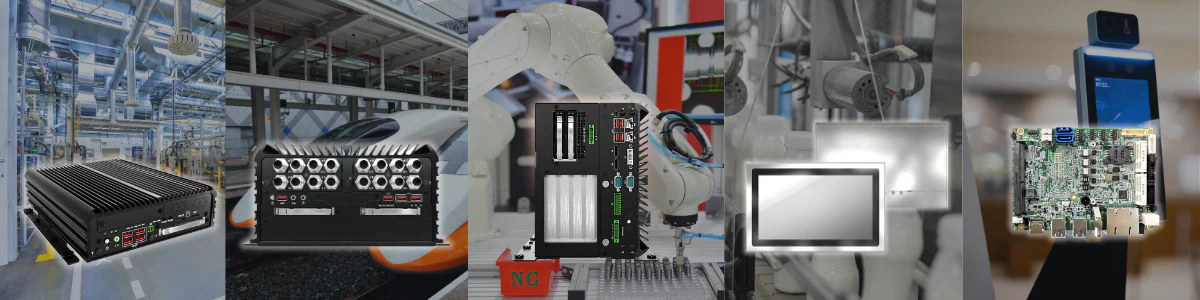
Single-board computers (SBCs), system on modules (SoMs), industrial PCs, panel PCs, rugged embedded computers, PLCs, box PCs, and edge servers are examples of common types.
An embedded computer is a small, specialised piece of hardware designed to perform specific tasks inside bigger systems. Embedded computers, in contrast to general-purpose computers, are reliable and designed for applications like automation in factories, automobiles, or Internet of Things gateways. Rugged embedded computers, in-car embedded computers, single motherboard embedded PCs, and integrated panel PCs are only a few examples of their many varieties.
IoT, smart cities, transportation, healthcare, industrial automation, and the military all use embedded computers.
 Shimeta


