Are you struggling with these common challenges when selecting a digital signage player?
Digital signage has become a standard solution across retail, transportation, hospitality, and corporate sectors. The global digital signage market is projected to exceed $30 billion by 2026. Yet choosing the right digital signage player remains a challenge for many businesses.
In this comprehensive guide, we’ll walk you through the 5 key factors to consider when selecting a digital signage player—helping you make an informed decision for your business.
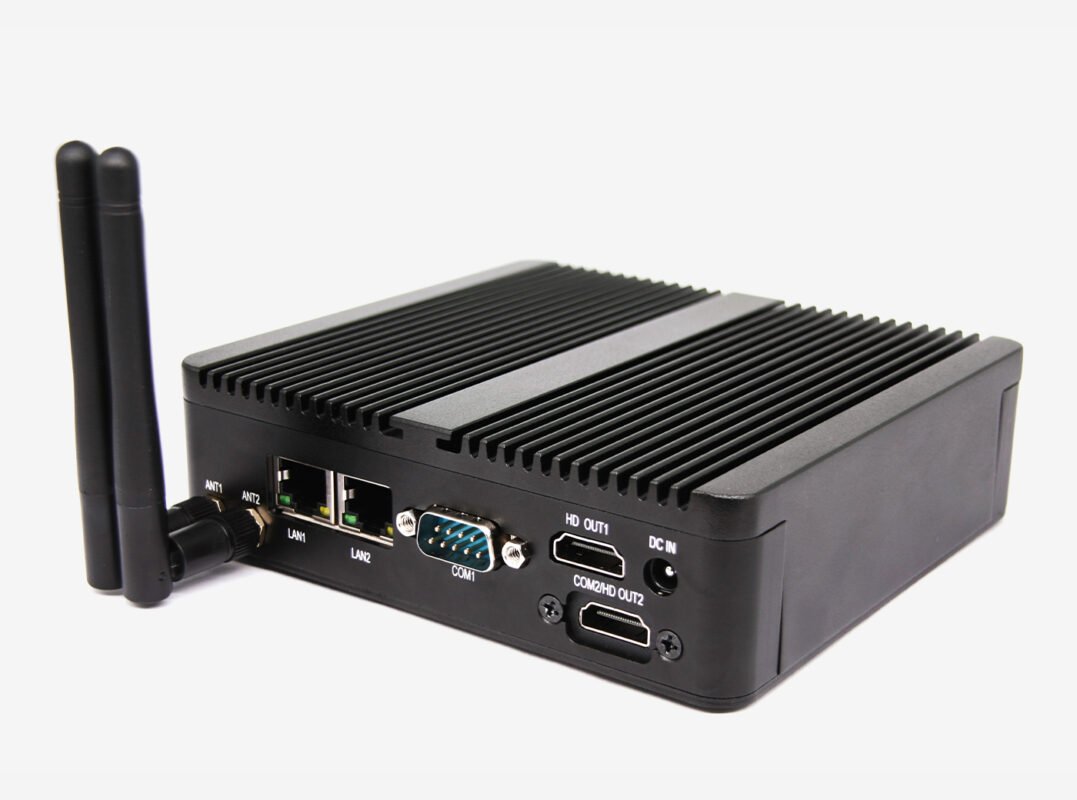
A digital signage player is the core hardware device that powers your digital signage network. Its primary functions include:
Unlike traditional USB-based players, modern digital signage players support cloud-based management, remote updates, and real-time monitoring—significantly reducing operational costs.
| Industry | Typical Use Cases |
|---|---|
| Retail | Storefront displays, shelf labels, interactive wayfinding |
| Food & Beverage | Digital menus, queue management, kitchen display systems |
| Transportation | Flight/train information boards, subway platform ads, bus stop signage |
| Corporate | Lobby directories, employee communication, elevator advertising |
| Healthcare | Patient queue systems, department navigation, health education screens |
Hardware specifications directly impact display quality and system reliability.
The processor determines whether your player can handle 4K or even 8K high-resolution content smoothly. For typical retail applications, a quad-core ARM Cortex-A55 or equivalent provides sufficient performance. For 8K content or complex rendering, consider octa-core high-performance processors (such as Rockchip RK3588, Intel Celeron N5105, or equivalent).
Memory capacity affects multi-tasking capabilities. Recommended specifications:
Local storage caches your content. We recommend minimum 32GB eMMC, with TF card expansion support preferred.
Verify the player’s video codec and resolution support:
Digital signage systems typically require 7×24-hour continuous operation, making stability critical.
| System | Advantages | Disadvantages | Best For |
|---|---|---|---|
| Linux | High stability, security, flexibility | Limited software ecosystem | Industrial applications, long-term deployments |
| Android | Rich apps, touch-friendly, easy development | Potential overheating issues | Interactive kiosks, self-service terminals |
| Windows | Excellent compatibility | Higher cost, requires maintenance | Complex interactive scenarios |
Recommendation: For long-term digital signage deployments requiring maximum uptime, choose Linux-based players.
Quality digital signage players include a hardware watchdog that automatically restarts the system in case of errors, ensuring business continuity.
Industrial-grade players often feature fanless designs to prevent dust ingress, making them suitable for harsh environments (outdoor, high humidity, extreme temperatures).
The core value of modern digital signage lies in centralized cloud management, directly impacting operational efficiency.
Choose players compatible with major digital signage cloud platforms, or those supporting open protocols (HTML5, MQTT, REST API). Popular platforms include:
Ensure the player supports:
For locations with unstable networks, choose players that support resume-after-interruption to prevent incomplete content downloads.
Rich interface options determine the player’s versatility.
| Interface | Bandwidth | Best For |
|---|---|---|
| HDMI 2.0 | 18Gbps | 4K@60Hz mainstream |
| HDMI 2.1 | 48Gbps | 8K displays |
| DisplayPort | 32.4Gbps | Professional displays |
| LVDS/eDP | – | Industrial panels |
For scenarios requiring sensors, PLCs, or access control integration, choose players with RS232/RS485/TTL serial ports. Some applications also need GPIO for switch control.
When selecting a digital signage player, consider Total Cost of Ownership (TCO)—not just the purchase price.
| Cost Type | Budget Option | Premium Option |
|---|---|---|
| Purchase Price | Lower | Higher |
| Failure Rate | Higher | Lower |
| Maintenance Labor | More | Less |
| Lifecycle | 2-3 years | 5-7 years |
Recommendation: Choose established manufacturers—while the initial investment may be higher, lower failure rates and longer lifespan result in better long-term value.
For large-scale deployments, select manufacturers with stable supply chains and adequate spare parts to avoid maintenance challenges from discontinued products.
Based on the five factors above, here’s our recommendation guide:
Recommended Specifications:
Recommended Specifications:
Recommended Specifications:
As a professional AIoT intelligent terminal products and scenario digitalization solutions provider, we offer:
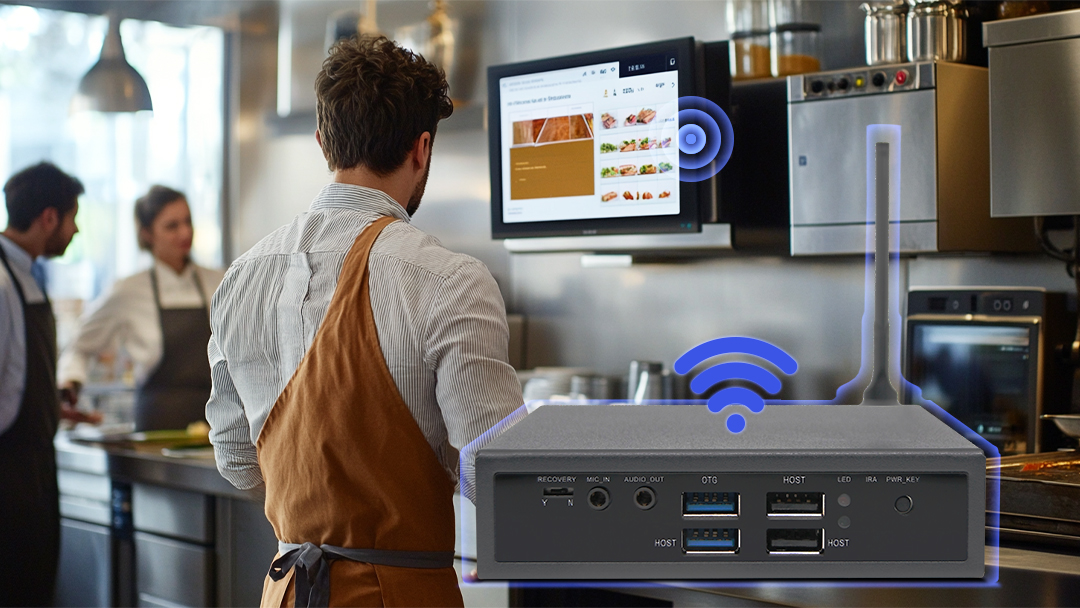
✅ High Performance: 8K decoding, smooth 4K@60fps playback
✅ High Stability: Linux OS with built-in watchdog, MTBF > 50,000 hours
✅ Easy Management: Cloud-based centralized control, batch remote operations
✅ Rich Interfaces: HDMI, USB, RS232, GPIO—meeting diverse requirements
✅ Flexible Customization: Custom appearance, interfaces, and software available
Choosing the right digital signage player requires careful consideration of:
If you’re unsure about selecting a digital signage player, contact our expert team for free consultation and customized solutions.
Have questions about digital signage players? Need a customized solution? Contact us today!
 Shimeta
 Shimeta