


In today’s busy retail world, making in-store experiences that are interesting and based on data is no longer a choice; it’s a must. Digital signage is one of the best ways to get customers to interact with your brand, boost sales, and build brand loyalty. It can be anything from interactive kiosks to dynamic endcap displays.
The digital signage player is the most important part of this change. It’s a small but powerful device that sends content to screens in real time and is often linked to cloud-based content management systems (CMS). Choosing the right signage player for smart retail means getting the perfect mix of performance, reliability, interactivity, and scalability.
In this guide, we explore the best digital signage player solutions for smart retail applications and how they enable future-ready in-store experiences.
Retail is no longer just about product availability — it’s about experience, personalization, and adaptability. As more retailers turn to IoT and AI technologies, signage has evolved from static displays into smart, networked endpoints capable of delivering personalized content and collecting shopper data.
To power these features, retailers need signage players with high-resolution output, remote management, AI capability, and commercial-grade durability.
Not all signage players are created equal. When evaluating solutions, retailers should prioritize features aligned with long-term flexibility and performance.
1. High-Resolution Output (4K or Higher)
Clarity is key when showcasing promotional visuals, detailed product shots, or menu boards. 4K and 8K support ensure sharp and vibrant displays, especially in large-format retail screens.
2. Multi-Zone Content Support
Divide the screen into multiple regions — play a product video, display a QR code, and scroll promotional text simultaneously.
3. Touch & Sensor Integration
Enable interactive features like touch navigation, motion-activated content, RFID reader compatibility, and AI camera input.
4. Cloud CMS Compatibility
Seamless integration with CMS platforms (e.g., ScreenCloud, NoviSign, Xibo) allows for real-time updates, scheduling, and centralized control.
5. AI & Analytics Readiness
Smart retail requires insights. AI-capable players can process facial recognition, footfall analytics, or customer engagement metrics.
6. 24/7 Commercial Reliability
Fanless, industrial-grade players ensure uninterrupted operation in high-traffic retail environments.
Here are the leading digital signage players that offer optimal performance for today’s smart retail needs:
🔹 1. ShiMeta 3588M Signage Player
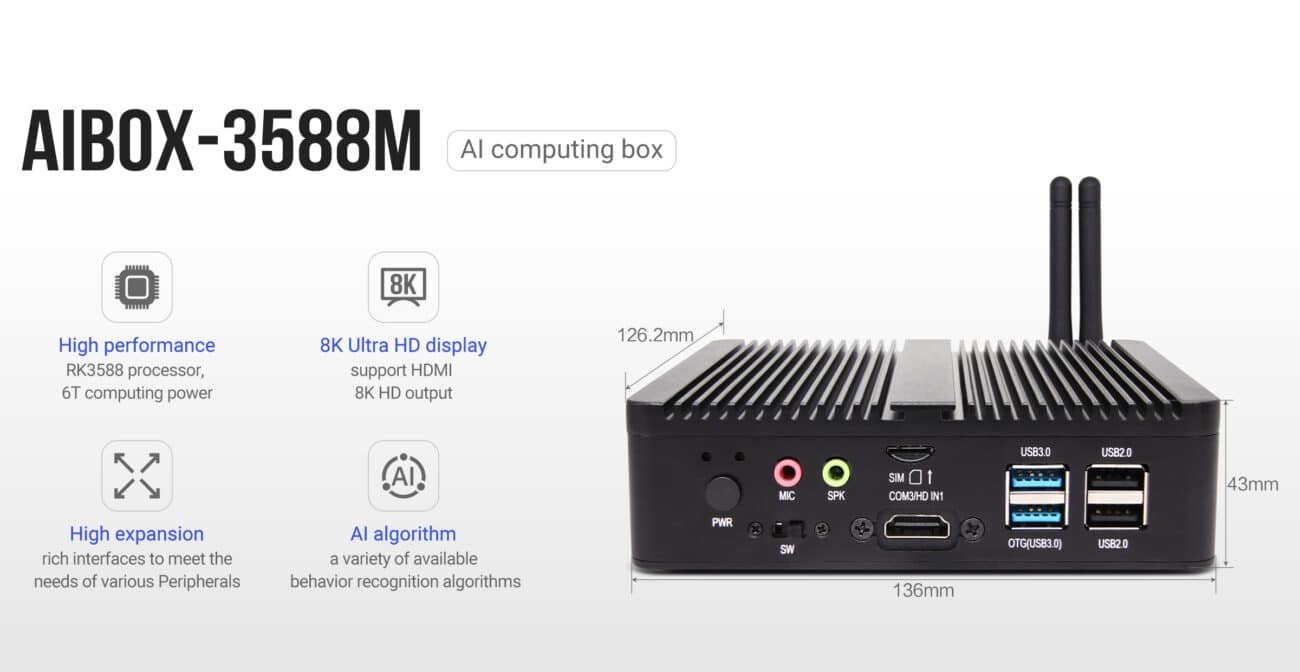
The ShiMeta 3588M is one of the most powerful Android-based signage players on the market, built for AI-heavy retail use.
Key Features:
Ideal For:
🔹 2. ShiMeta 3399M Signage Box
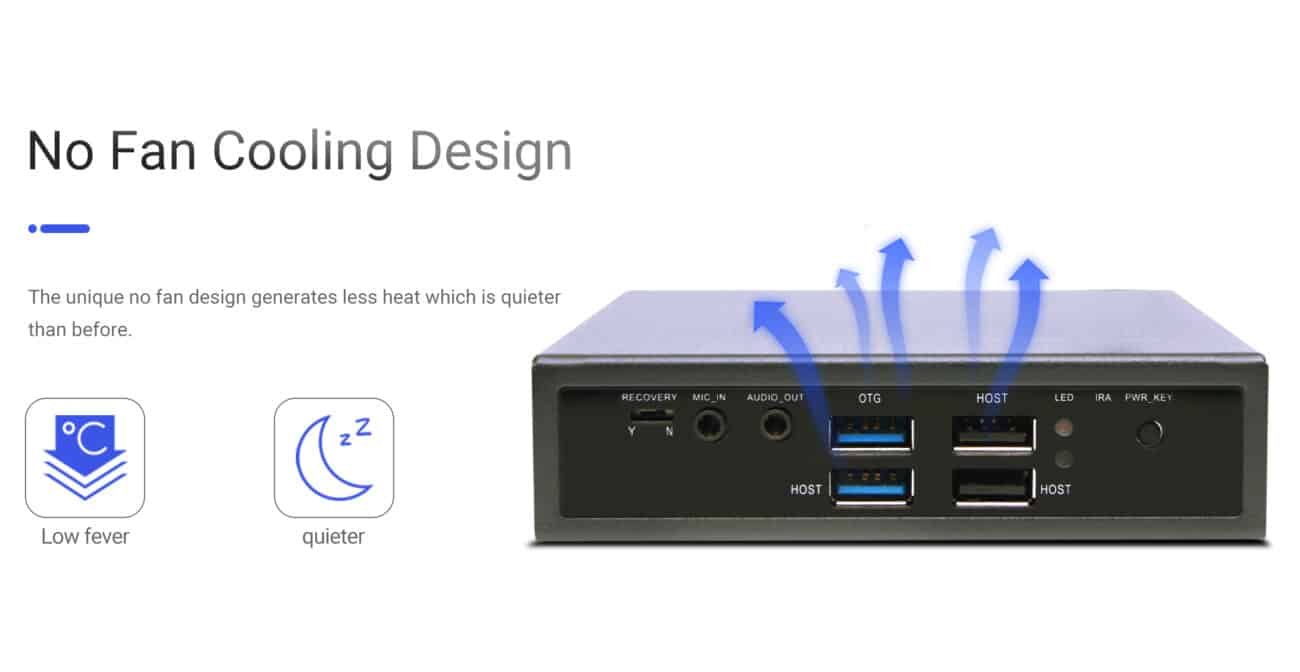
The MBOX-3399M: an ultra-compact Android-powered industrial box with RK3399 CPU, dual-display output, rich I/O, and fanless design. Ideal for signage, plates & edge AI.
Key Features:
Ideal For:
🔹 3. BrightSign XD5 Series
A widely used commercial player known for its reliability and CMS ecosystem.
Key Features:
Ideal For:
🔹 4. Intel NUC + Windows CMS
Intel’s NUC (Next Unit of Computing) is essentially a full PC in a small form factor. While pricier, it’s ideal for Windows-based signage software.
Key Features:
Ideal For:
🔹 5. AOpen Chromebox Commercial 2
Built for Chrome-based signage CMS platforms.
Key Features:
Ideal For:
Here’s how smart signage companies are changing the way stores look:
1. Interactive Product Catalogs
Touch-enabled signs let customers look through your inventory, see what’s in stock, or scan QR codes for more information. All of this is made possible by responsive ARM-based players.
AI signage boxes like the RK3588 can change the products that are shown based on the gender, age group, or amount of time spent near the display.
Integrations with cloud CMS make it easy for headquarters to send price changes to hundreds of stores in minutes, which is great for flash sales or markdowns.
With dual-display signage boxes, retail cafes can have real-time menu boards that change based on the time of day, the stock on hand, or special deals.
Signage players that work with POS or ERP systems can automatically show relevant content, like directing customers to sale areas or showing how long they will have to wait at checkout.
Digital signage is only as good as the content and system behind it. Here are CMS options that pair well with ARM-based and x86 signage players:
| CMS Platform | Compatibility | Highlights |
| ScreenCloud | Android, Chrome, Windows | Cloud-first, user-friendly UI, ideal for chains |
| Xibo | Linux, Windows, Android | Open-source, on-prem or cloud, customizable |
| NoviSign | Android, Chrome | Template-based, mobile app control |
| DSignage | Android | Lightweight, works offline, good for ShiMeta players |
Visit ShiMeta Devices ›
When you’re rolling out signage across dozens or hundreds of locations, you need a partner that can do more than just deliver hardware. ShiMeta Devices offers:
ShiMeta ensures consistent supply of advanced ARM motherboards and signage boxes — ideal for scaling across markets.
Need an ultra-thin player or integrated Android Panel PC? ShiMeta engineers can customize according to your specifications.
From firmware development to logo branding and packaging — ShiMeta helps you build your own signage brand.
Digital signage is more than just a screen — it’s the face of your brand in a physical environment. With the right digital signage player, retailers can:
Choosing the right hardware ensures your retail signage network is scalable, secure, and future-proof.
The best digital signage player depends on your retail needs. For high-resolution 4K displays, stable playback, and multi-screen management, ShiMeta players offer excellent performance. Brands like BrightSign are also widely used, but ShiMeta combines cost-effectiveness with AI-driven analytics for smart retail.
Yes. Android digital signage players are popular for retail because they are affordable, easy to manage, and compatible with many CMS platforms. They also support app-based updates and integration with interactive kiosks.
BrightSign players are known for stability and global adoption, while ShiMeta focuses on combining high-performance ARM-based hardware with AI and Android OS support. ShiMeta offers better customization options and competitive pricing for retail deployments.
ARM-based players are lightweight, cost-efficient, and optimized for Android, making them ideal for scalable retail signage. Windows players are more versatile for complex software integration but tend to be more expensive. The choice depends on your content type, budget, and ecosystem.


