


As businesses compete for consumer attention in an increasingly digital world, digital signage continues to evolve from a simple display solution into a powerful platform for communication, engagement, and revenue generation.
Across retail stores, corporate offices, healthcare facilities, transportation hubs, and entertainment venues, organizations are using digital signage to create immersive experiences, deliver personalized content, and improve operational efficiency.
So what will define the future of digital signage in 2026?
Here are five key digital signage trends that businesses should watch as they plan their next-generation display strategies.
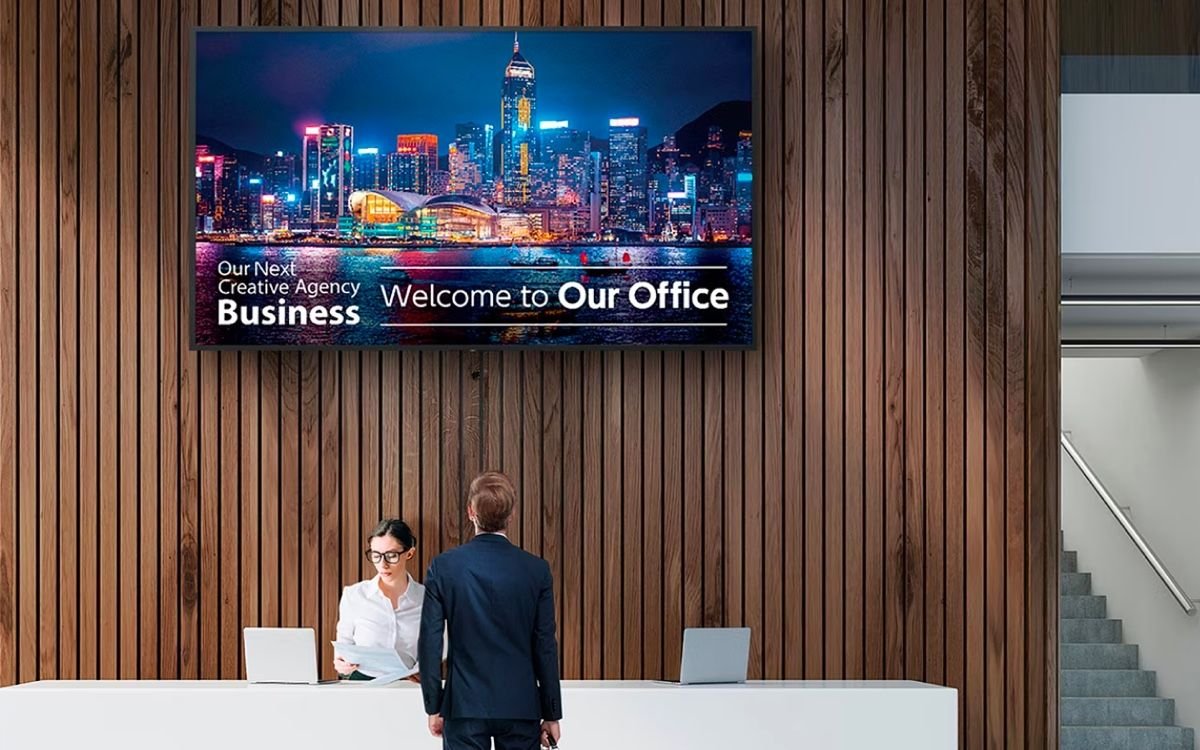
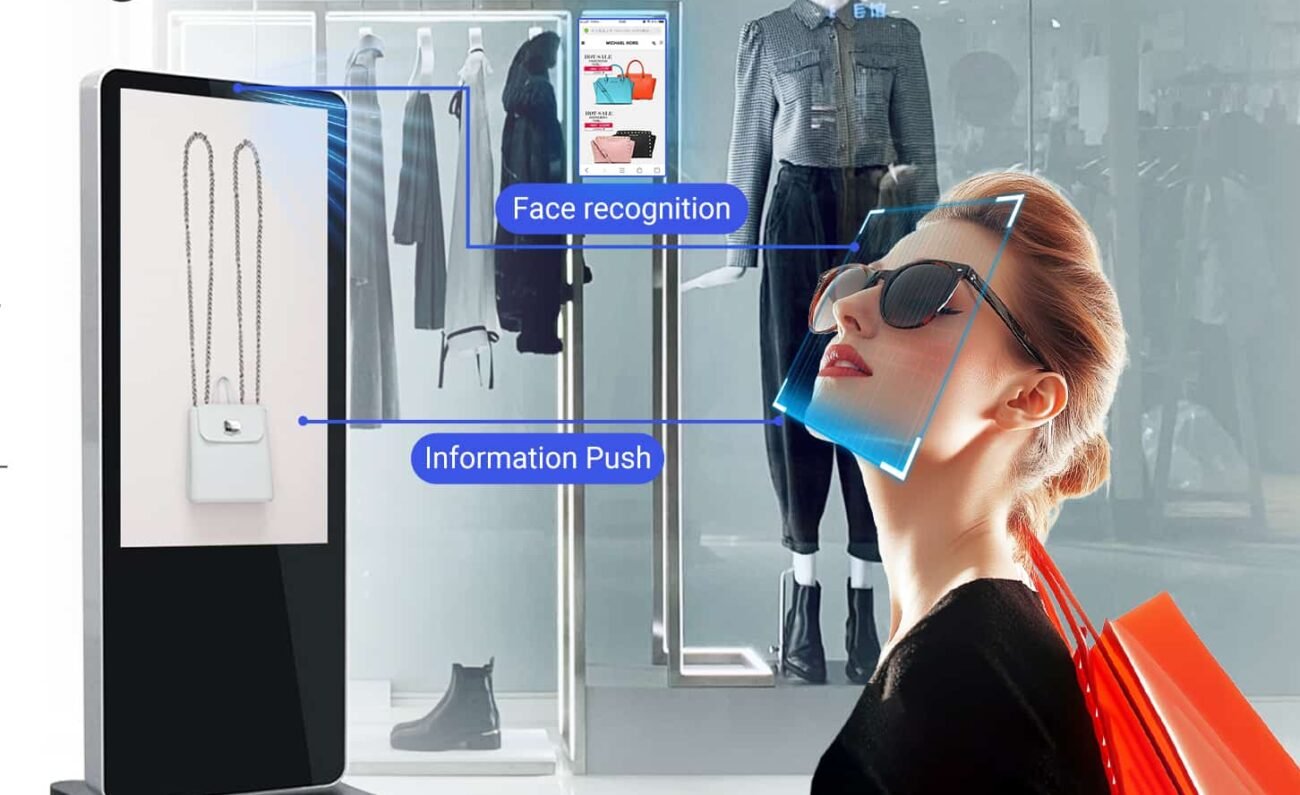
Artificial intelligence is becoming one of the most influential technologies in the digital signage industry.
Modern AI-powered signage systems can analyze audience behavior, estimate viewer demographics, measure dwell time, and adapt content in real time. Instead of displaying the same message to every viewer, businesses can deliver more relevant and engaging experiences based on audience insights.
Applications include:
As AI technology matures, digital signage will become increasingly capable of delivering personalized journeys that improve engagement and customer satisfaction.
Businesses that combine AI-driven insights with dynamic visual content will create stronger customer connections and maximize the value of every interaction.
Digital signage is no longer just a communication tool—it is becoming a strategic business asset.
Organizations are increasingly building their own media networks using digital displays to monetize audience attention, promote products, and strengthen brand engagement.
Retail stores, transportation hubs, shopping malls, and entertainment venues are using digital signage to generate advertising revenue while collecting valuable audience data.
As these media networks mature, businesses are shifting their focus from simple screen impressions to broader engagement metrics such as:
The future of digital signage measurement will focus on business outcomes and customer engagement rather than screen exposure alone.
Consumers increasingly expect personalized experiences at every touchpoint.
In 2026, businesses will move beyond creating general customer experiences and focus on optimizing every interaction within the customer journey.
Digital signage will play a central role in delivering:
Younger generations, in particular, value immersive and shareable experiences, making personalization a competitive advantage for brands.
Successful digital signage deployments will focus on creating highly targeted and memorable interactions throughout the customer journey.
As digital signage becomes deeply integrated into enterprise IT environments, security and system reliability are becoming critical priorities.
Modern digital signage networks often connect hundreds or thousands of displays across multiple locations. Any system failure, blank screen, or security breach can negatively impact brand reputation and customer trust.
Organizations are increasingly demanding:
Digital signage is no longer viewed as a standalone display system—it is now part of the broader enterprise technology ecosystem.
Security, reliability, and manageability will become essential requirements for all enterprise digital signage deployments in 2026.
The convergence of digital signage, IoT, augmented reality (AR), virtual reality (VR), and artificial intelligence is opening new possibilities for audience engagement.
Businesses are beginning to deploy immersive digital experiences in:
These environments combine digital displays, mobile devices, sensors, and AI technologies to create highly interactive experiences that blur the line between physical and digital spaces.
Examples include:
Digital signage ecosystems that integrate AI, IoT, and mixed reality technologies will deliver more engaging and memorable customer experiences.
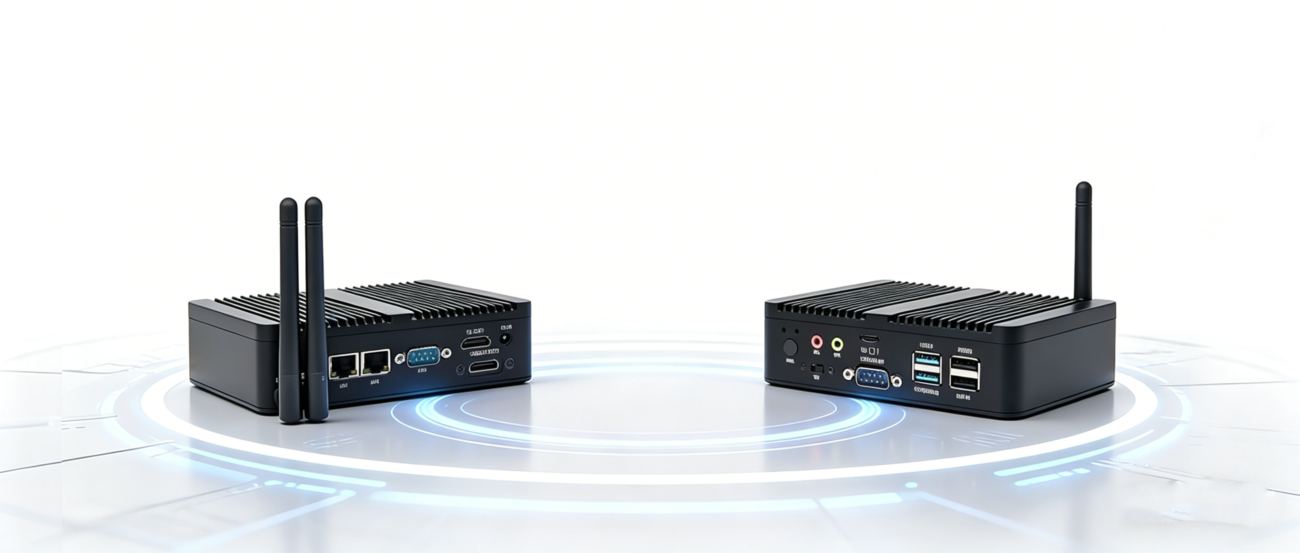
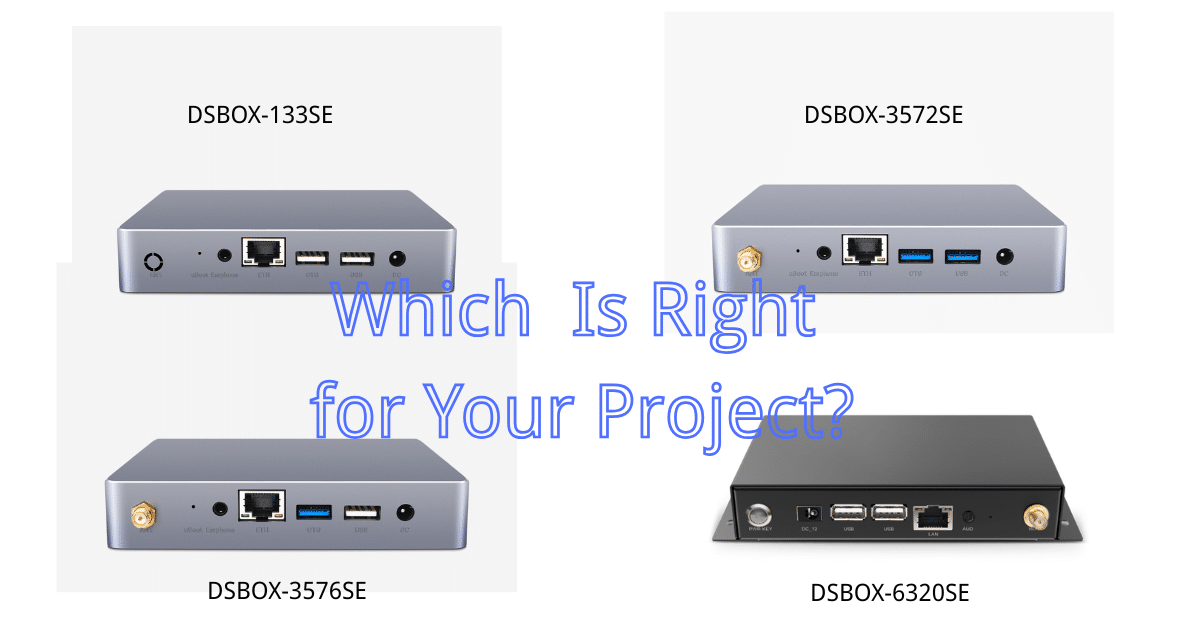
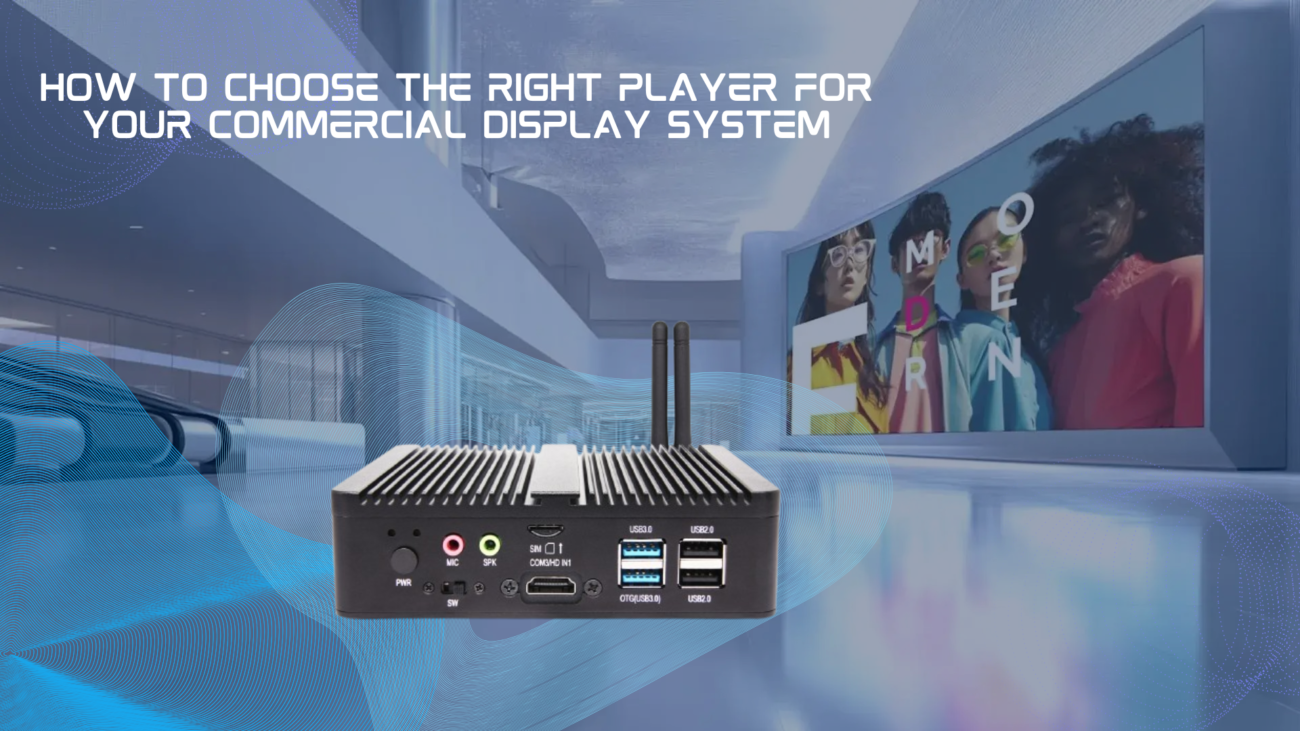
A cost-effective Android digital signage player designed for retail displays, menu boards, kiosks, and corporate communications.
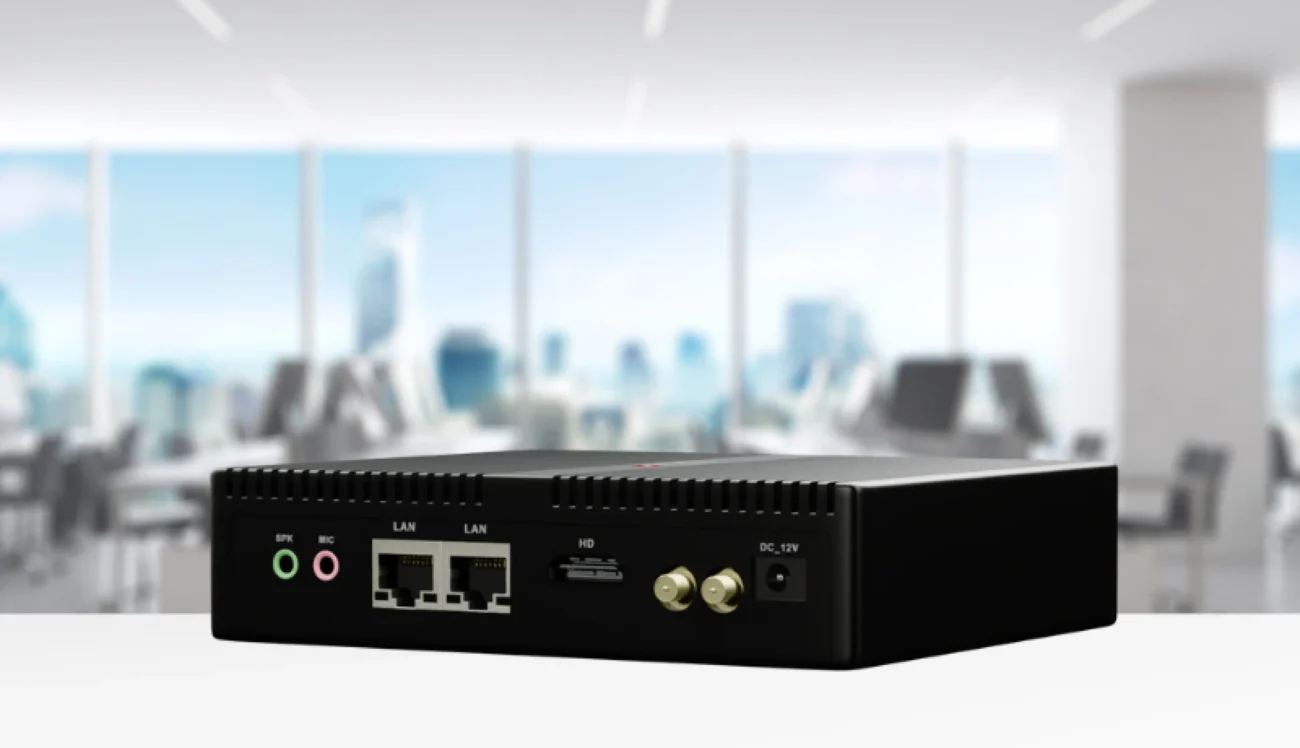
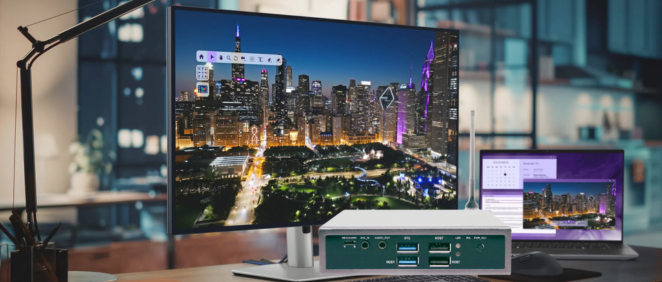
AI-powered digital signage player supporting audience analytics, smart retail applications, and interactive customer engagement.
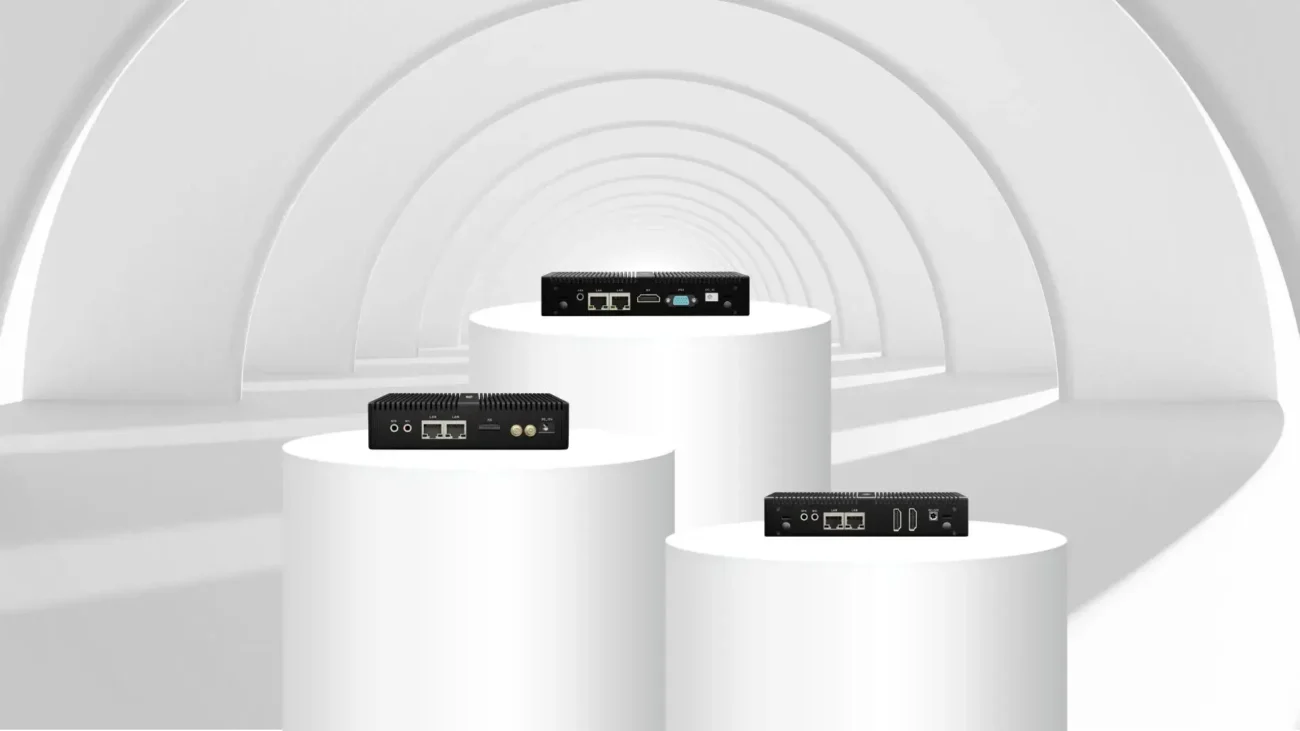
High-performance signage player built for enterprise deployments, 8K content, AI analytics, and large-scale media networks.
While technology continues to evolve, successful digital signage deployments always start with a clear business objective.
Organizations should first identify:
Whether the objective is increasing sales, improving communication, enhancing customer experiences, or generating advertising revenue, digital signage should be viewed as a long-term strategic investment.
Deploy reliable, AI-ready digital signage players for retail, healthcare, transportation, enterprise, and smart city applications.
The digital signage industry is entering an exciting new phase driven by AI, personalization, enterprise integration, and immersive technologies.
In 2026, organizations that embrace these innovations will be better positioned to attract attention, engage audiences, and create measurable business value.
By combining intelligent software, reliable hardware, and data-driven content strategies, businesses can transform digital signage into a powerful platform for customer engagement and operational excellence.
The future of digital signage is no longer about screens—it is about creating meaningful, connected experiences.
 Shimeta
 Shimeta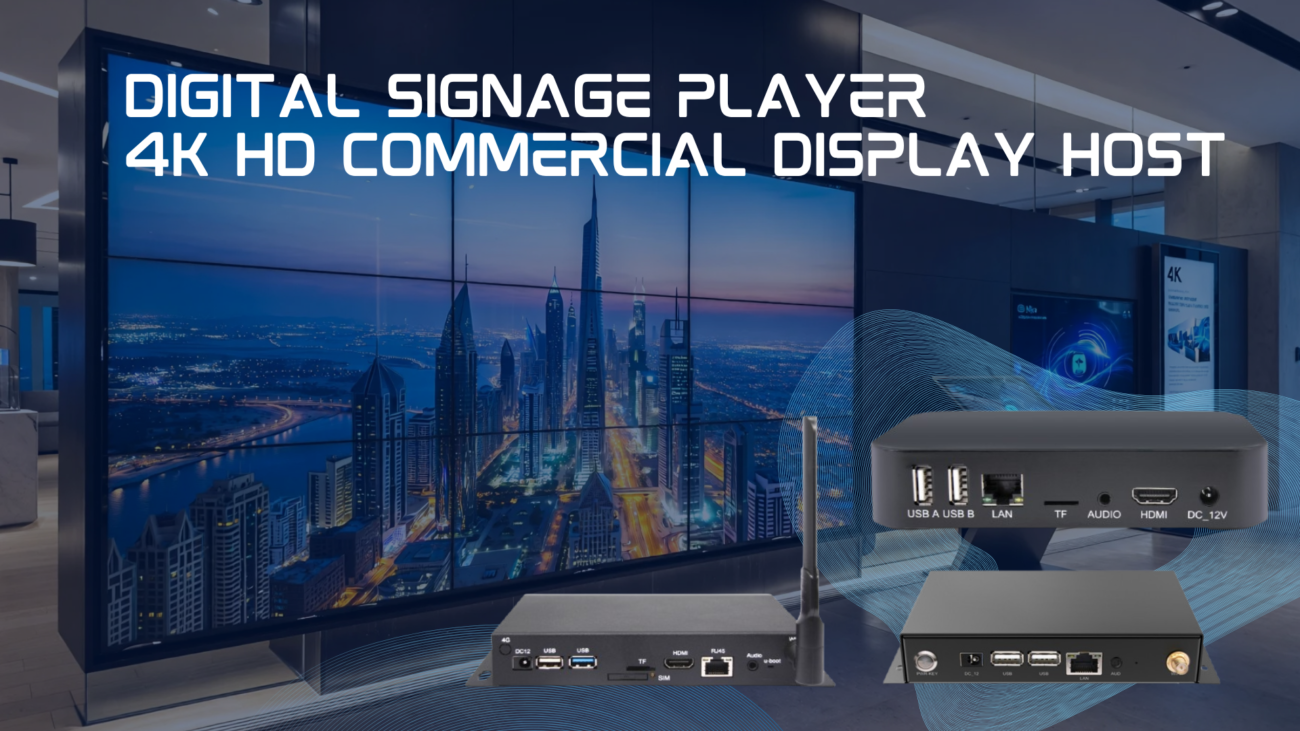
 Shimeta
 Shimeta
 Shimeta
 Shimeta
 Shimeta
 Shimeta


I have been exploring for a bit for any high quality articles or weblog posts on this sort of space . Exploring in Yahoo I finally stumbled upon this web site. Studying this information So i’m happy to exhibit that I’ve a very just right uncanny feeling I discovered just what I needed. I such a lot surely will make sure to do not forget this website and provides it a look regularly.