


Museums today are no longer just spaces for static exhibitions. Visitors now expect immersive, informative, and interactive experiences that combine culture with modern technology.
That is why more institutions are adopting digital signage for museums to improve visitor engagement, simplify operations, and modernize exhibit communication.
From interactive wayfinding displays to smart exhibit labels and multilingual information screens, museum digital signage is becoming an essential part of the modern visitor journey.

Museum digital signage refers to digital screens, kiosks, touch displays, and content management systems used throughout museums to communicate information dynamically.
Unlike printed signs, digital signage allows museums to:
Many museums are now combining traditional exhibits with modern digital experiences.
Digital screens help bring exhibits to life through:
Visitors spend more time engaging when content is dynamic and accessible.
Large museums often face navigation challenges. Digital signage can provide:
Helping visitors move smoothly through galleries and attractions.
Museums can instantly change content for:
This eliminates the delays and costs of reprinting physical signs.
International visitors benefit from screens offering:
Digital signage helps museums become more inclusive and visitor-friendly.
Replacing printed posters and paper labels with digital displays helps reduce:
Many museums now consider digital signage part of their sustainability strategy.
Use large displays to show:
Touchscreen kiosks help visitors quickly locate:
Replace static labels with smart screens showing:
Promote:
Use signage in museum shops and exits to drive:
When selecting digital signage for museums, consider:
Best for:
Best for:
E-paper screens are often preferred where subtle design matters.
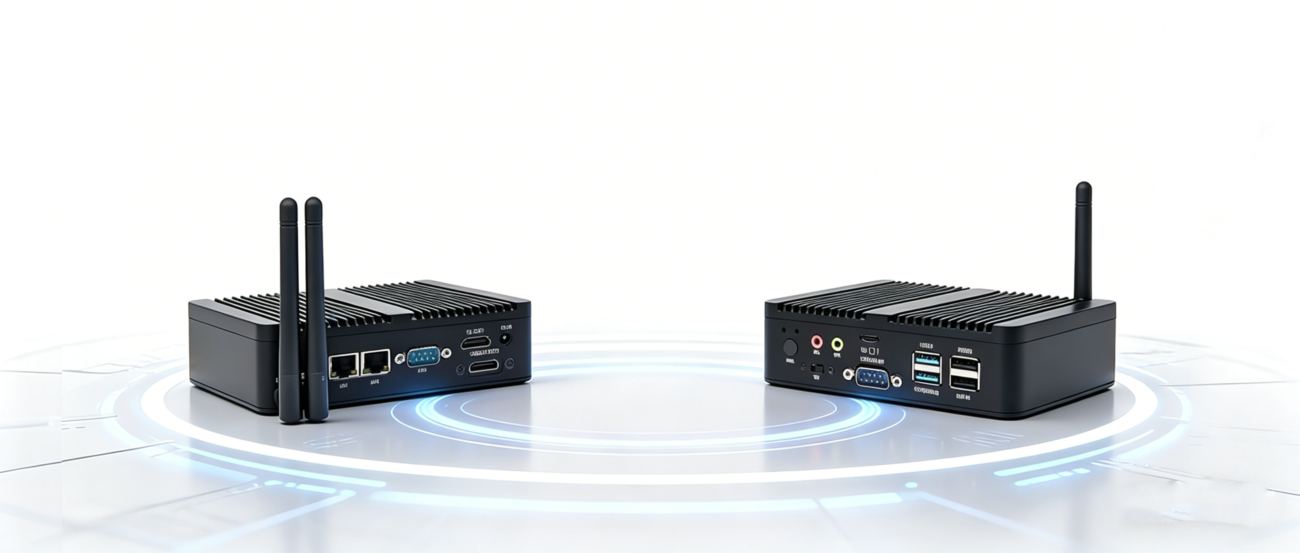
Many museums now prefer Android digital signage players because they offer:
Industrial Android motherboards such as RK3568 or RK3588 platforms are ideal for museum kiosk systems.
To make signage effective:
Visitors scan quickly—use concise text.
Ensure readability for all ages.
Keep repeat visitors engaged.
Use QR codes, touchscreens, and videos.
Technology should enhance, not distract from exhibits.
Museums are now exploring:
Digital signage is evolving from simple screens into intelligent visitor engagement systems.
Digital signage is transforming museums into smarter, more engaging, and more efficient spaces.
By combining:
Museum digital signage helps institutions improve both visitor satisfaction and internal efficiency.
For museums planning modernization in 2026, investing in the right digital signage system is now a strategic advantage.
Digital signage for museums includes screens, kiosks, interactive displays, and smart signage systems used for exhibit information, navigation, event promotion, and visitor engagement.
Museums use digital signage to improve visitor experience, provide real-time updates, support multilingual communication, and reduce printing costs.
LCD and LED screens are ideal for dynamic visuals and video displays, while e-paper displays are perfect for exhibit labels and low-power installations.
Yes. Android digital signage solutions are cost-effective, easy to manage remotely, and suitable for kiosks, touchscreens, and media displays.
Yes. Digital signage reduces paper waste, lowers printing costs, and supports sustainable museum operations.


