


Traditional outdoor media’s tech-savvy equivalent is called digital out-of-home advertising, or DOOH. Beyond Times Square billboards, there are hundreds of thousands of real-time outdoor advertising opportunities available with the same targeting capabilities as other digital platforms.
DOOH ads draw, educate, and amuse. They also have the power to alter an individual’s afternoon. We are introducing you to the world of DOOH in this blog, discussing its applications, how to make it relevant, and current trends in the field.
Out-of-home (OOH) advertising has evolved into DOOH advertising, which uses screens and digital technology to show advertisements. DOOH advertisements seek to reach users outside of their homes, much as traditional OOH advertisements like billboards, posters, and transit ads. However, DOOH advertisements use digital screens to show dynamic and captivating content rather than static images or written materials. Screen advertising has been greatly impacted by the usage of digital technology since advertisers can now provide material with a great deal of flexibility, real-time updates, and accurate measurement tools.
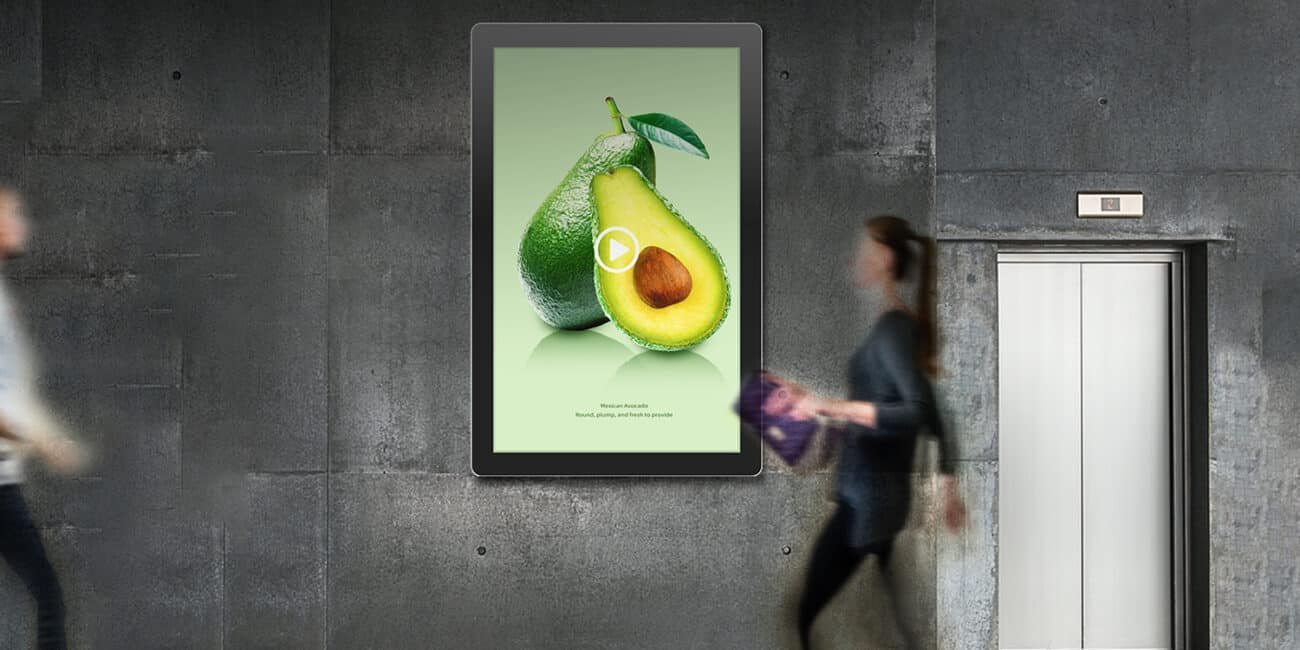
Due to its capacity to reach a wide range of consumers, digital out-of-home advertising has become more and more popular among marketers and advertisers as a result of the quick development of technology throughout time.
Highly Visible
In contrast to conventional OOH strategies like static billboards, DOOH advertising can break through the competitive clutter. With dynamic movies and interactive displays, DOOH can instantly capture consumers’ attention in public areas and reach a large audience, making your campaign more memorable and engaging. Your brand will undoubtedly become more well-known with this degree of visibility!
Targeting and Retargeting Real-World Behavior
From planning to execution to optimization, real-world behavioral insights can help marketers increase the efficacy of their DOOH efforts. For instance, location-based targeting makes use of information about the physical locations of your target consumers to gain a deeper understanding of their brand preferences and interests. Why is this important for DOOH advertising? In addition to using location-based targeting to enhance the efficacy of their own DOOH campaigns, marketers may use location intelligence from their DOOH campaigns to identify customers who were exposed to them and then re-target those audiences. What a win-win!
User-friendly
Digital out-of-home (DOOH) advertising can now reach its full potential thanks to programmatic technology, which has significantly enhanced its possibilities. Numerous sophisticated programmatic DOOH technologies make it easy to alter budgets in real time, customize campaigns to certain circumstances, and even target audience behaviors in real life. Your campaign can create more genuine and significant connections with your audience while they go about their everyday lives if you are able to make these changes.
There are various DOOH marketing approaches, each with unique advantages and objectives. Marketers can use the best approach to distribute their advertisement and reach the target audience, depending on the brand or marketing campaign objectives.
Large-format marketing
Large size DOOH advertisements include video walls, LED billboards, and large-scale, high-resolution digital screens. In order to reach a large audience as they go about their everyday lives, these advertisements are placed strategically in areas with significant street-level traffic, whether they be on a highway, bus shelter, or the side of a city building. These advertisements are useful for providing high-impact exposure in a brief period of time, and their size and vibrancy make them instantly noticeable.
Marketing based on place
Place-based marketing, sometimes referred to as location-based marketing, uses the location to target advertisements and communications. Advertisements displayed on a place-based screen effectively capture the attention of the target audience because they are contextually relevant to the region in which they are displayed. Examples of place-based marketing include advertisements for concerts at bars and sportswear at gyms. Additionally, it is frequently utilized in places like hotels, movie theaters, malls, and universities.
Purchase-point advertising
Point-of-purchase screens are commonly found in retail settings, such as supermarkets, fast food joints, and shopping centers. They are located at the point of sale or next to the product display in stores that sell a brand’s goods. Point-of-purchase displays are designed to draw in customers and influence their last-minute purchases, which is useful for increasing sales and return on investment.
To refresh your memory, digital out-of-home (DOOH) advertising is a type of advertising that uses digital technology to promote messages in public areas like stadiums, shopping malls, retail establishments, transportation hubs, restaurants, and so forth. DOOH advertising enables advertisers to engage with consumers at several outdoor touchpoints throughout the day by utilizing digital displays including video, photos, weather information, and menus.
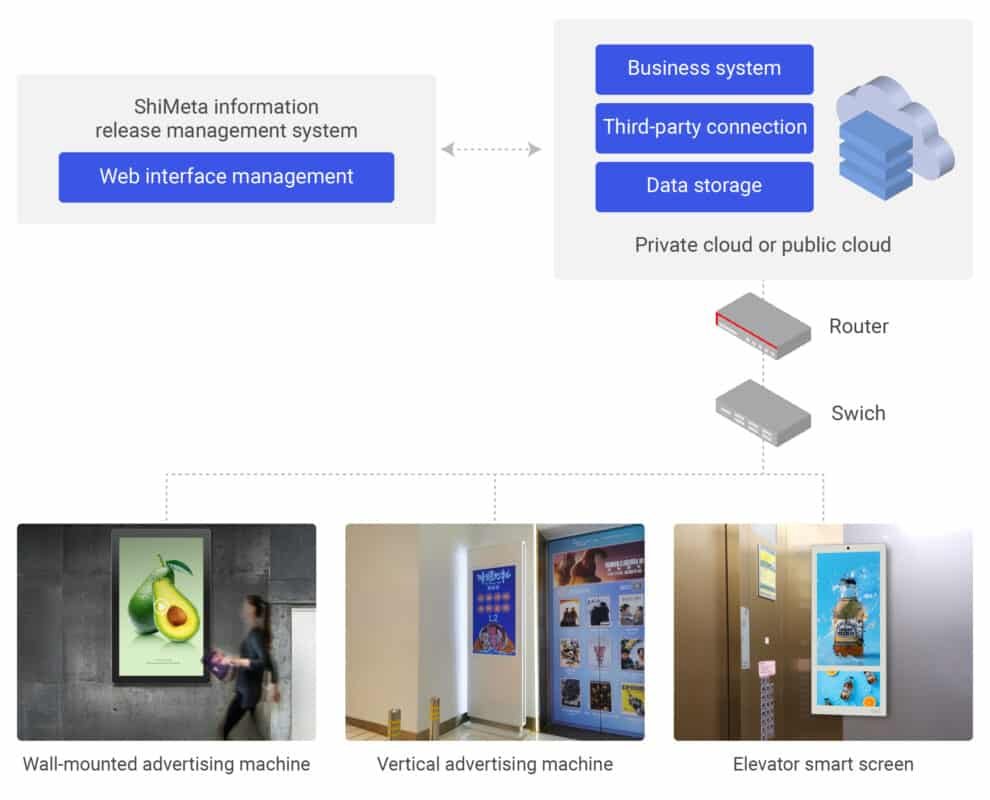
The term “out-of-home” (OOH) advertising describes “physical” advertising material that isn’t digital. An outdoor poster or a conventional billboard are two examples.
Digitalized ads that represent a location, weather information, news, and many other things are known as digital out-of-home (DOOH) advertising.
Programmatic DOOH (Digital Out-of-Home) is the automated, data-driven buying and selling of ad space on digital screens in public spaces such as billboards, airports, malls, and transit. It offers flexibility, speed, and better optimization than traditional methods by using audience data and real-time bidding (RTB) to serve relevant ads precisely when and where the target audience is present.
In contrast to programmatic DOOH, where the DSP determines how to bid for an impression and the SSP determines who wins the impression in both an open auction and a private marketplace (PMP), DOOH places the burden of choosing and negotiating inventory rates and flights on the buyer. inventory control.
The tech-savvy equivalent of traditional outdoor media is called digital out-of-home advertising, or DOOH. Beyond Times Square billboards, there are hundreds of thousands of real-time outdoor advertising opportunities with the same targeting capabilities as other digital platforms.
Digital Signage: Wayfinding displays, interactive kiosks, and dynamic displays with augmented reality capabilities are examples of interactive digital signage. It provides its target audience with compelling and customized experiences. DOOH: The majority of DOOH digital advertising screens are passive.


