


The retail industry is changing quickly. The function of in-person purchasing is changing as a result of the rise in internet sales and the strain on physical establishments. According to Deloitte’s Retail Industry Outlook, 47% of consumers believe that digital screens enhance their in-store shopping experience, highlighting the necessity of in-store innovation in the fiercely competitive retail environment of today. Delivering experiences that cannot be duplicated online is crucial for merchants making physical space investments, and digital signage is one of the best ways to do this. Retailers may improve consumer satisfaction, expedite processes, and reinforce their brand message by switching from static posters to dynamic, adaptable displays.
A display that features wayfinding, promotions, informational advisory, or interesting material is referred to as retail digital signage. Retail digital signage is fundamentally an integrated system that uses both hardware and software to display customized material at different locations inside a retail setting. These include digital screens that front windows, interactive kiosks, shelf-edge displays, and video walls. The hardware, software, content management systems, and even creative services that make up ShiMeta’s ecosystem can modify messaging in response to external data like weather or changes in inventory or client foot traffic.
The following are necessary for retail digital signage:
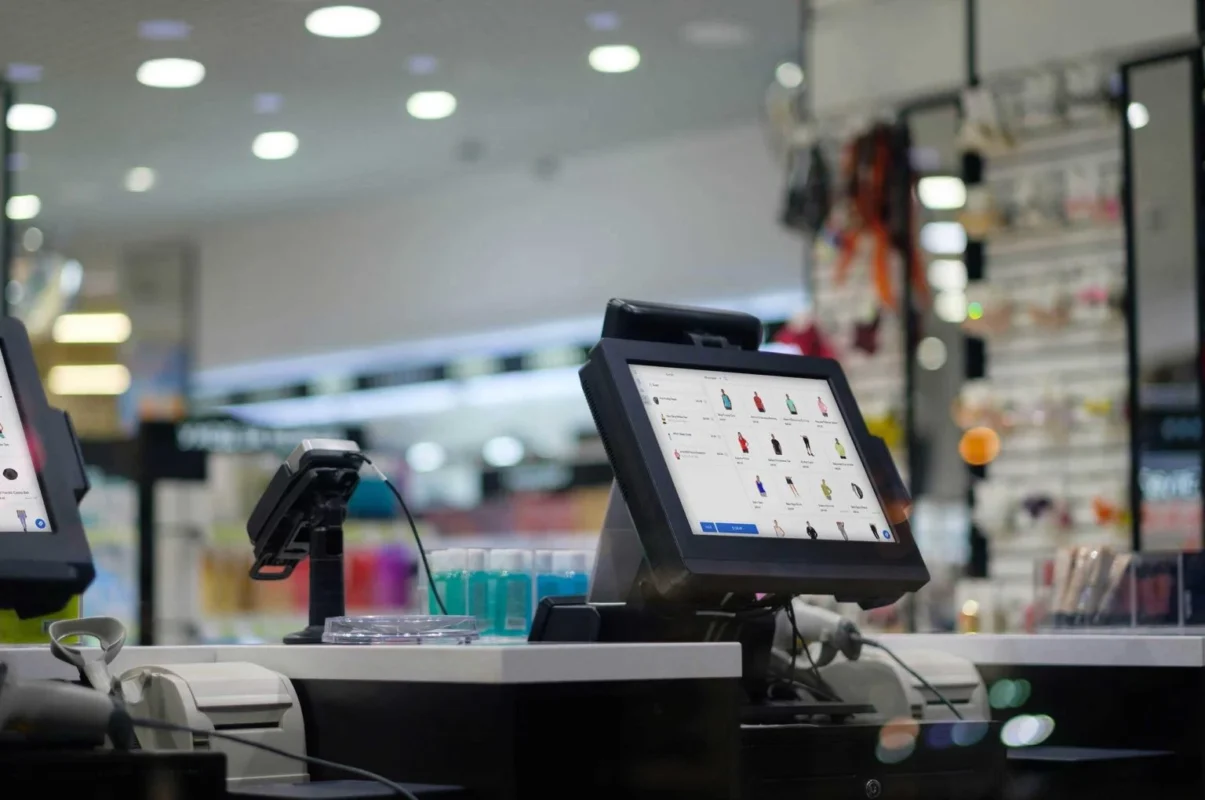
Robust hardware (commercial displays, media players, video walls), potent software (CMS for scheduling, remote management), varied connectivity (Wi-Fi, 4G, cloud), and intelligent interactive elements (touchscreens, sensors, AI integration for personalized content) are some of the key technical components of retail digital signage. These components work together to provide dynamic, data-driven customer engagement, real-time updates, and increased sales.
Digital signage can be used in any public setting, including city centers and hospitals, but its ability to change retail settings is especially strong. However, modern consumers demand individualized marketing and communications that are especially catered to their interests; merely drawing in visitors is insufficient. Lastly, in order to protect themselves from unanticipated downturns in consumer spending, building owners wish to diversify their sources of income.
Strong customer involvement
People are accustomed to being overloaded with information all the time. This is particularly true in retail settings, where patrons are continuously encircled by numerous labels, markings, and navigational indications. The ability of digital signage to stand out right away is one of its most immediate advantages in retail: Where more conventional signs would blend into the backdrop, the mix of a dynamic image and a bright, illuminated display panel grabs the eye right away.
Data gathering
In retail settings, it is essential to comprehend customer behavior, and digital signage plays a significant role. Digital signage may offer important information on which campaigns get the most attention, which searches generate the most queries, and even which colors visitors find most appealing, whereas traditional signage is only passive. A sign could, at the very least, monitor which items customers spend the most time examining or where they are most likely to look for departure instructions.
An extra revenue stream
Digital signage has a clear potential for in-store marketing, but it can also be made available to outside marketers to diversify sources of income. In-store placements support an omnichannel approach, particularly when paired with internet advertisements, and advertisers are keen to have their goods and services showcased in busy areas.
Increased flexibility at a reduced cost
Conventional signs may be less expensive initially, but hidden costs start to mount as soon as it’s time to alter a location’s appearance. The first obstacle is simply ordering or printing the new signs. Both shipping and the time required to install it on-site are very expensive. Whether you decide to keep the old signage or discard it, there will be additional costs when it comes time to cycle in fresh messaging. Media production and consumption are expensive, time-consuming, and ineffective.
After being deployed once, digital signage can be replaced as frequently as necessary. New designs can be implemented in several locations at once with little to no on-site personnel engagement required. This makes it possible to make more seasonal or event-based changes to maintain customer interest. Additionally, it guarantees that signage is displayed accurately and promptly everywhere, which is very impossible to guarantee otherwise.
It is obvious how digital signage affects store success. It has grown to be an essential component of the contemporary retail environment, from developing immersive consumer experiences to increasing sales, optimizing operations, fortifying brand identity, and producing actionable information. Retailers now have to figure out how best to use these solutions to accomplish their objectives rather than whether or not to accept them. Our case studies at ShiMeta demonstrate how we have assisted top merchants in creating and implementing signage strategies that yield quantifiable value; the same methodology can be customized to suit your requirements. Get in touch with ShiMeta to learn more about how we can help with your upcoming project.
Instead of using static posters, digital store signage uses electronic displays (such as LCD, LED screens, and kiosks) to display dynamic content, such as videos, advertisements, promotions, product information, and wayfinding. This allows for real-time updates and engages customers with interactive, eye-catching messages to improve sales and brand experience.
In addition to giving cost savings over print, improved brand consistency, and useful consumer data, digital signage in retail increases sales, draws foot traffic, and improves the customer experience with dynamic content, real-time promotions, and interactive aspects.
The cost of an in-store digital signage system varies greatly, ranging from a few hundred dollars for a small screen to thousands for large, interactive setups. The main variables are screen size and type (commercial vs. basic TVs), software (free to $100+/month), installation (DIY to $500+ per screen), and ongoing content/maintenance, which typically costs between $200 and over $3,000 per screen plus monthly software fees.
Video walls, interactive kiosks, shelf-edge displays, window-facing digital screens, and queue management boards are the best formats for drawing attention in retail settings. The location, size, and traffic patterns of the store will determine the best fit.
It is possible to combine POS, CRM, inventory management, and analytics systems with contemporary digital signage platforms. Customized consumer experiences and real-time content synchronization are made possible by this.


