


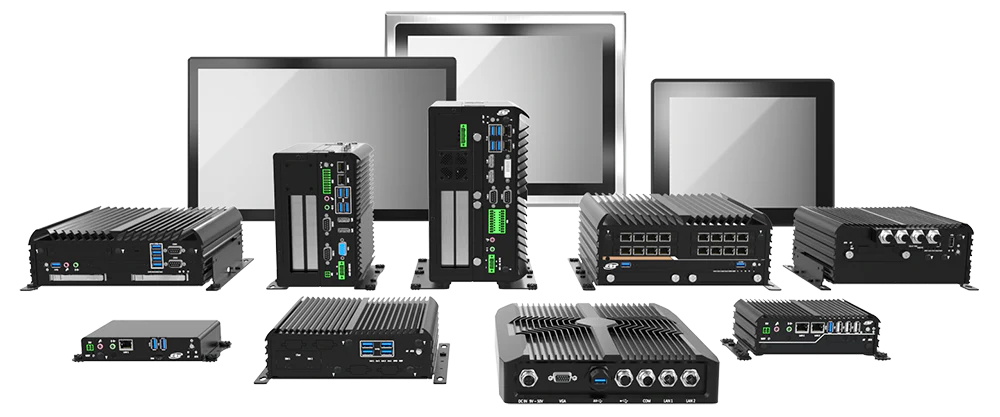
An embedded computer is a small, specialised piece of hardware designed to perform specific tasks inside bigger systems. Embedded computers, in contrast to general-purpose computers, are reliable and designed for applications like automation in factories, automobiles, or Internet of Things gateways. Rugged embedded computers, in-car embedded computers, single motherboard embedded PCs, and integrated panel PCs are only a few examples of their many varieties.
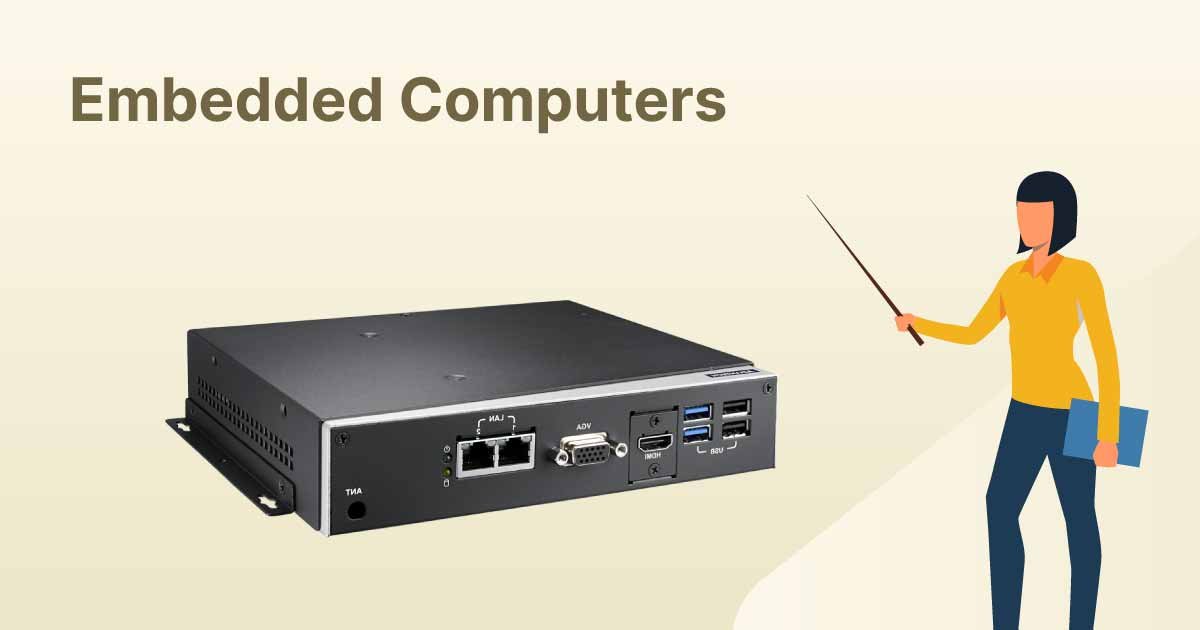
There are several varieties of embedded computers, each designed to meet certain performance needs and applications. Let’s examine a few of the most prevalent embedded computer types:
1.Computers with a single board
Complete computers constructed on a single circuit board are known as single board computers, or SBCs. A CPU, memory, input/output (I/O), and other components required for a working computer are included. SBCs’ small size and extensive functionality make them popular in networking, digital signage, and industrial automation.
2. Microcontrollers
Self-contained systems with integrated processors, memory, and peripherals are known as microcontrollers. They are frequently employed in automatically controlled products and equipment, including remote controls, implantable medical devices, and vehicle engine control systems. They are made to operate electronic devices or applications.
3. Processors for Digital Signals
Real-time data processing is done by specialised microprocessors called digital signal processors (DSPs). They are widely employed in telecommunications, audio and video processing, and other real-time applications because they are extremely effective at signal processing techniques.
4. Embedded Mobile Systems
Embedded computers made specifically for mobile devices are known as mobile embedded systems. Usually, they are lighter, more compact, and power-efficient. Smartphones, tablets, portable media players, and other portable gadgets all have mobile embedded systems.
An embedded device is a component of an integrated system that may function without human input and is created by combining computer hardware and software for a particular purpose. An embedded system is a kind of specialised computer system designed to do one or more specific tasks. Large electronic or mechanical systems use embedded systems to do tasks with limited real-time computer capabilities. The most important thing to keep in mind about embedded systems is that they are often a part of bigger systems. Because of this, the embedded system is not meant to be used by end users as a stand-alone device.
1. Independent Embedded Devices
This type of embedded software is independent and doesn’t require a host, like a computer or processor, as the name suggests. It just takes digital or analogue input data and generates something that may be viewed on a connected device.
2. Embedded Systems in Real Time
This kind of embedded software needs to generate outcomes fast and within a predetermined time frame. Because of this, it is widely used in sectors like manufacturing, transportation, and even healthcare that depend on delicate business processes and need short response times.
3. Embedded Network Systems
This type of embedded system depends on wired or wireless networks to generate its output. These platforms are built on general-purpose CPUs and frequently contain a variety of components, such as sensors, controllers, and the like.
4. Embedded Mobile System
Finally, mobile embedded systems are those that are easily transportable and portable. Even though their memory capacity is inevitably constrained, they are commonly found in a variety of mobile device kinds.
Compact Form Factor: Embedded systems minimise external dependencies and physical footprint by being integrated into the tool they monitor or manage.
Low Power Consumption: Low-strength processors and optimised algorithms are frequently used to reduce strength intake, and embedded structures are built to operate effectively in conditions with limited power.
Reliability and Stability: Since embedded structures will be used in challenging applications where failures or outages would have dire repercussions, reliability and stability are given top priority.
Dedicated Functionality: Embedded systems are made to perform certain functions or activities inside a broader system or instrument, such real-time fact processing, equipment control, or sensor monitoring.
Real-Time Operation: In order to guarantee prompt replies and deterministic behavior, many embedded systems must operate in real-time. This means that activities must be finished within stringent time restrictions.
Resource Constraints: To meet length, cost, and electricity consumption constraints, embedded systems typically have limited resources, including processing energy, memory, energy, and garage.
An embedded system functions as a component of the entire apparatus. These are the tiny computers that are integrated into electrical or mechanical systems. They have a processor, memory, power supply, and communication interfaces. A communication protocol is used by an embedded system to transfer data via a communication port between the processor and peripheral devices. The computer’s memory contains software that the processor uses to understand the data. Real-time operating systems (RTOS) are used by embedded systems to communicate with the hardware.
In terms of their function, size, hardware and software, operating system, etc., embedded computers and embedded systems differ significantly from one another. All of these distinctions must be understood by everyone involved in computer and embedded system engineering. This is due to the fact that computers and embedded systems are two essential elements of the contemporary technological world that allow users to automate procedures and enhance the effectiveness and performance of several systems.
Dedicated functionality, real-time operation, limited resources (such memory and computing power), minimal power consumption, and integration into a larger system or product are characteristics of embedded systems.
In contrast to general-purpose computers, embedded systems are frequently made to function in real-time contexts and are specifically intended for particular activities. They usually have simple user interfaces and specialised hardware and software for their intended uses.

 Shimeta


